Greater Kudu Hunting in Zimbabwe
Tragelaphus strepsiceros
$3,500 – $5,500
May – October
7 days
121–140 SCI combined horn length
Overview
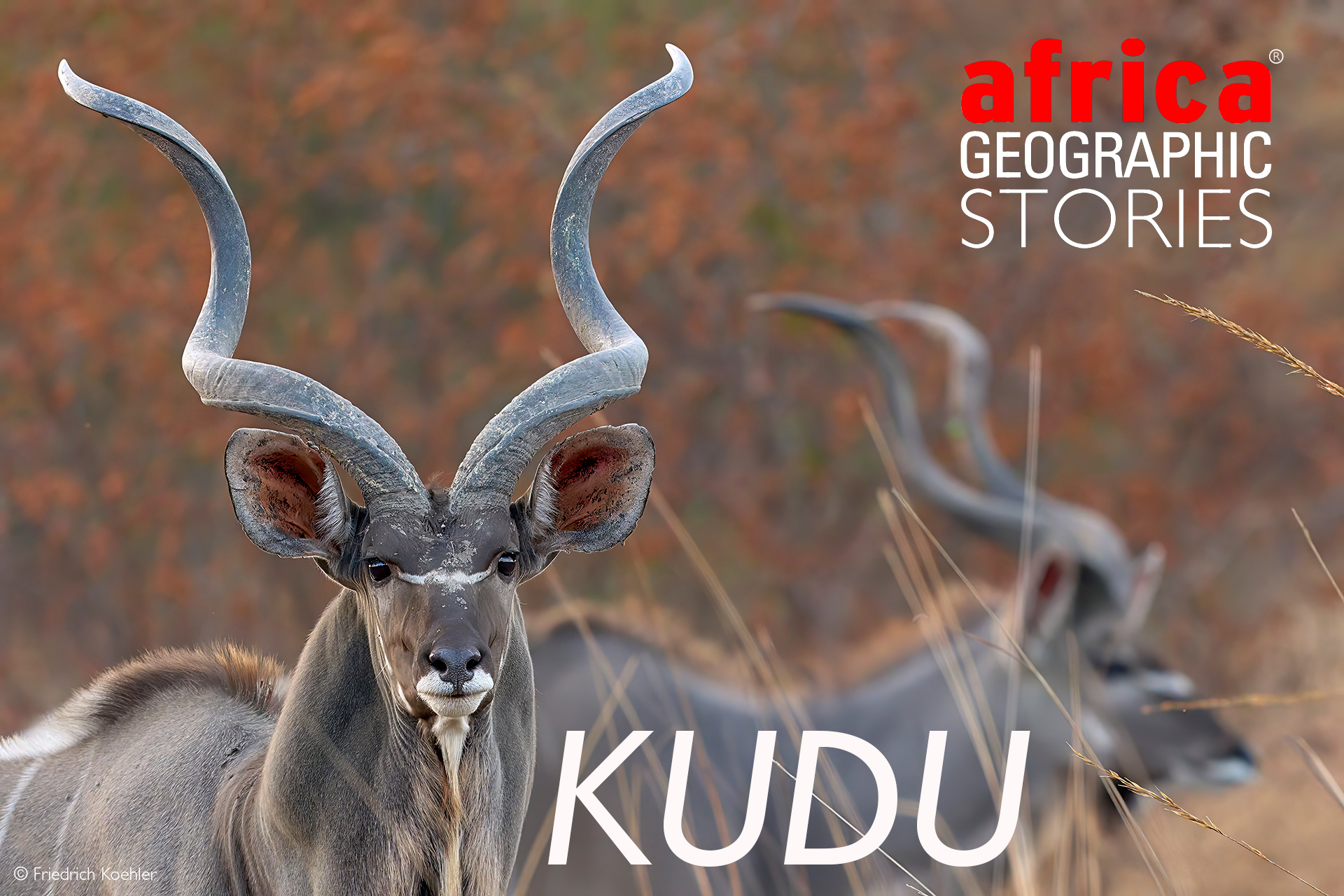
The Greater Kudu is known as the "Grey Ghost" of Africa, and that nickname is well earned. This tall, elegant antelope with its spectacular spiralling horns and grey-brown colouring has an almost supernatural ability to vanish into thick bush, making it one of the most challenging and rewarding stalks in African hunting. Zimbabwe produces some of the finest kudu trophies on the continent, and for many visiting hunters, a big kudu bull is the single most important plains game trophy on their wish list.
Kudu are found across nearly every hunting concession in Zimbabwe, from the dry mopane woodlands of the Zambezi Valley to the lush jesse bush of the Save Valley Conservancy and the mixed woodland of Matetsi and Bubye. They thrive in broken country where rocky kopjes, dense thickets, and riverine corridors provide the cover and browse they prefer. Mature bulls are typically solitary or found in small bachelor groups of two to four animals during the hunting season, though larger herds form during the rut (April to May in Zimbabwe).
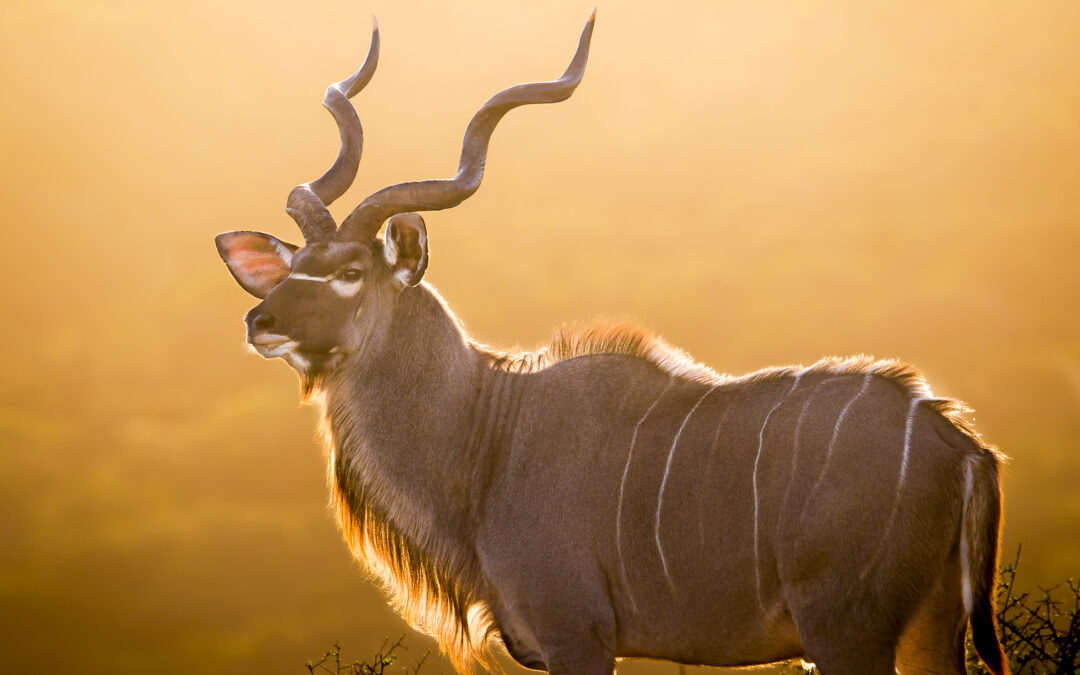
A mature kudu bull stands over five feet at the shoulder and can weigh 500 to 600 lbs. The spiral horns are the primary attraction for trophy hunters, and Zimbabwe bulls regularly carry horns measuring 50 to 55 inches along the outside curve, with two and a half to three full spirals. Exceptional bulls from the Save Valley and Matetsi have been recorded with horns exceeding 60 inches, placing them among the finest kudu trophies ever taken in Africa.
Kudu hunting is often the backbone of a Zimbabwe plains game safari. The trophy fee is moderate compared to dangerous game, the hunting is physically engaging and mentally demanding, and the finished mount (whether a full shoulder mount or European skull mount) is one of the most striking displays in any trophy room. Many outfitters offer kudu as part of a 7 to 10 day plains game package alongside sable, eland, and zebra.
Hunting Method
Walk-and-stalk through bush country is the primary method for kudu in Zimbabwe. Your PH and trackers will focus on areas of dense mixed woodland interspersed with rocky kopjes, where kudu like to feed and rest. Early morning and late afternoon are the most productive periods, as kudu are most active during the cooler hours and tend to bed down in dense thickets during the heat of the day. Glassing from elevated positions is particularly effective in broken terrain. Kopjes and ridge lines provide vantage points from which your PH can scan the bush below, looking for the telltale flash of spiralling horns above the bush or the characteristic white chevron marking on the face. Kudu have exceptional hearing and peripheral vision, and they rely on standing motionless in dappled bush to avoid detection. A bull that spots you first will simply melt away through the bush without a sound. In dry conditions (August through October), ambushing water holes and windmill points can be highly effective. Kudu must drink regularly, and in areas where surface water is scarce, they concentrate around the remaining sources. Your PH may set up a ground blind or elevated platform overlooking a productive water point. Shots typically range from 80 to 250 yards, depending on terrain. A .300 Winchester Magnum, .30-06 Springfield, or 7mm Remington Magnum loaded with premium 160 to 180 grain bonded or partition bullets is ideal. Kudu are relatively thin-skinned but have a long, deep body, so shot placement behind the shoulder through the centre of the lungs is the standard. A well-placed shot will anchor a kudu within 50 yards.
Trophy Information
Horn length is measured along the outside spiral from base to tip, and the SCI score is the combined total of both horns. The SCI minimum for the record book is 121 inches combined. A good Zimbabwe kudu bull carries 50 to 55 inch horns per side with two and a half or more full spirals, giving a combined score of 121 to 135 inches. Exceptional bulls exceed 58 inches per side with three full turns, scoring 140 or more combined. Beyond raw length, the aesthetics of kudu horns are a major part of their appeal. Deep, well-defined spirals with ivory-coloured tips that flare outward are the hallmark of a quality trophy. The horn bases should be thick and heavily ridged, indicating age and genetic quality. A kudu bull with long, wide-spreading horns and deep spirals is one of the most photogenic trophies in Africa and makes an absolutely stunning shoulder mount. A full shoulder mount of a greater kudu bull is one of the largest and most impressive plains game displays, typically standing 36 to 42 inches from wall to horn tip. European skull mounts (cleaned skull with horns attached) are a popular and more affordable alternative that showcases the horn spirals beautifully. Budget $1,500 to $3,000 for taxidermy preparation and shipping of a kudu trophy.
Best Hunting Areas
Southern Africa's largest private conservancy. 3,400 km² of prime hunting land with exceptional buffalo, leopard, and plains game.
Zimbabwe's premier hunting destination. The Zambezi Valley offers Big 5 hunting in vast wilderness areas along the Zambezi River escarpment.
Home to Africa's third-largest lion population. Bubye Valley offers exceptional big game hunting in the southern lowveld.
Adjacent to Victoria Falls, Matetsi offers world-class sable antelope, buffalo, and leopard in stunning Kalahari sand woodland.
Costs Overview
CITES & Conservation
Ready to Hunt Greater Kudu?
Connect with our vetted Zimbabwe outfitters specialising in Greater Kudu hunting. Free quotes, no obligation.
Greater Kudu Hunting FAQ
Related Species

Sable Antelope
The majestic sable antelope is one of Africa's most prized trophies. Zimbabwe's Matetsi and Chete areas produce outstanding bulls.
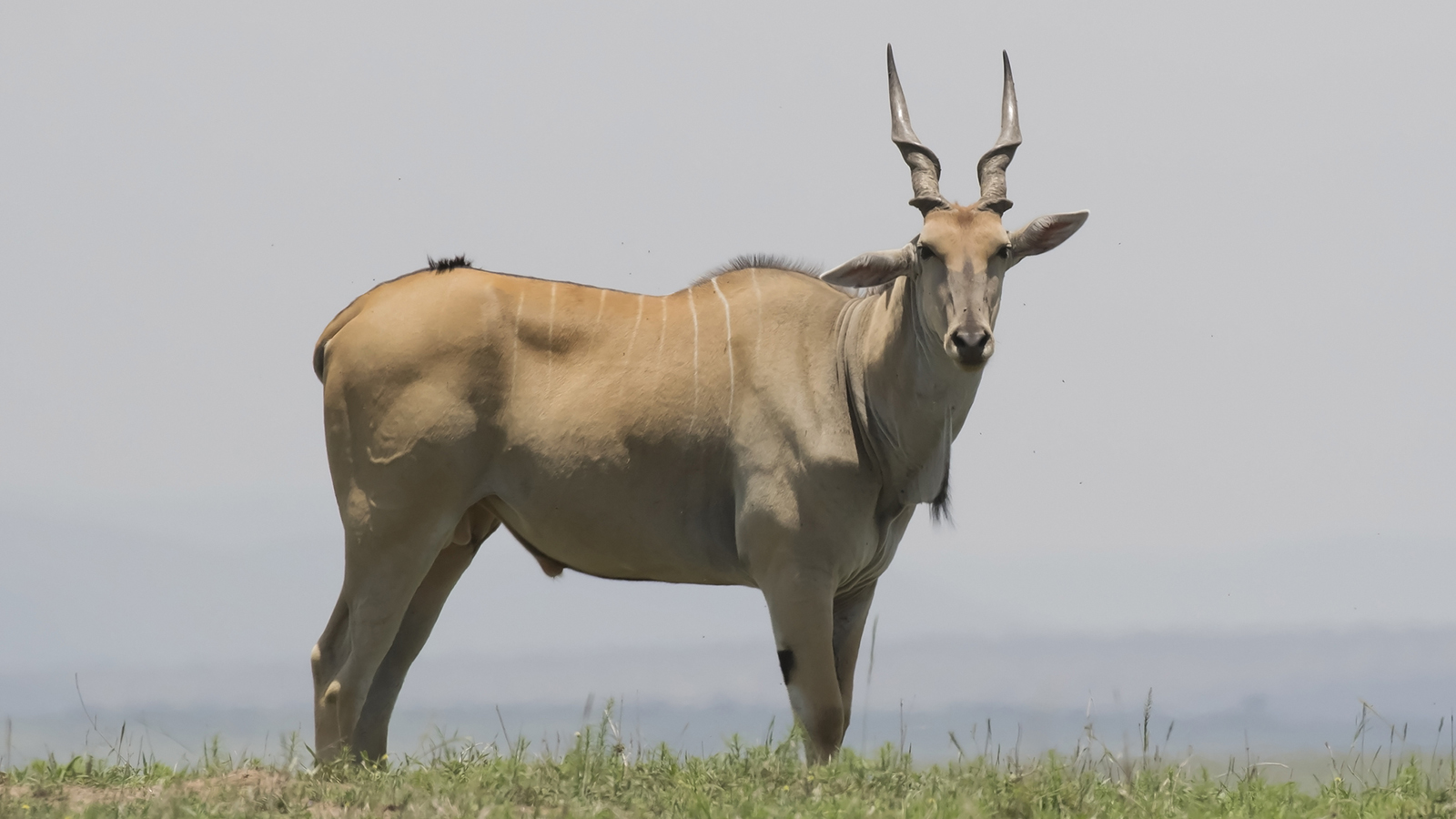
Eland
Africa's largest antelope. Mature bulls weigh up to 2,000 lbs and carry impressive spiralled horns.
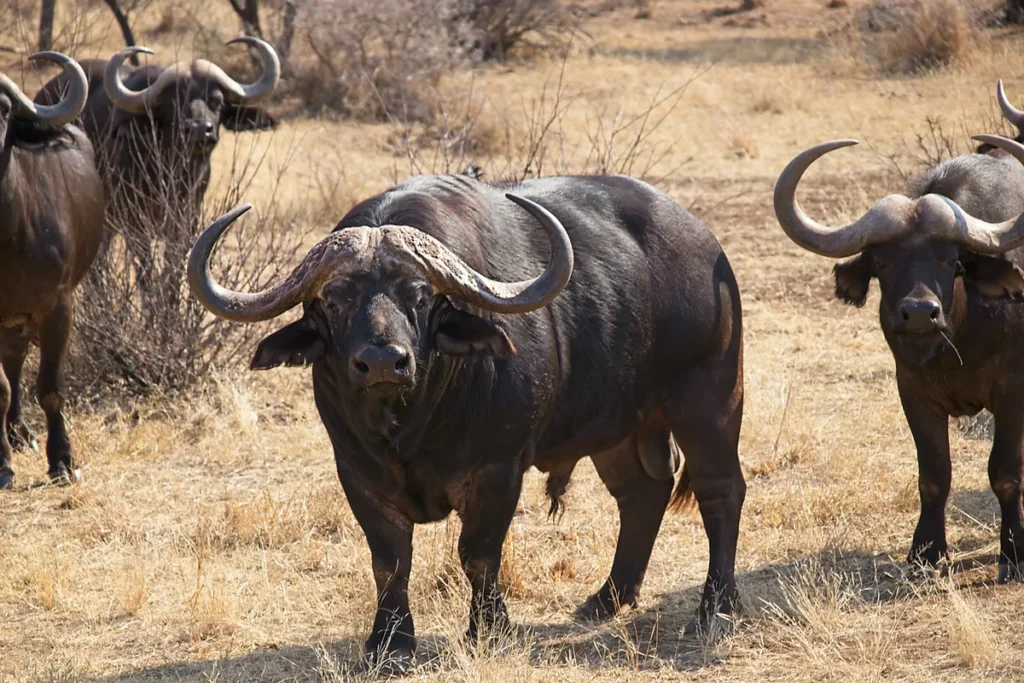
Cape Buffalo
The most sought-after of Africa's Big 5. Zimbabwe offers exceptional buffalo hunting in the Zambezi Valley and Save Conservancy.

Burchell's Zebra
Zimbabwe's Burchell's Zebra make one of Africa's most beautiful trophies. The distinctive striped hide is highly prized.