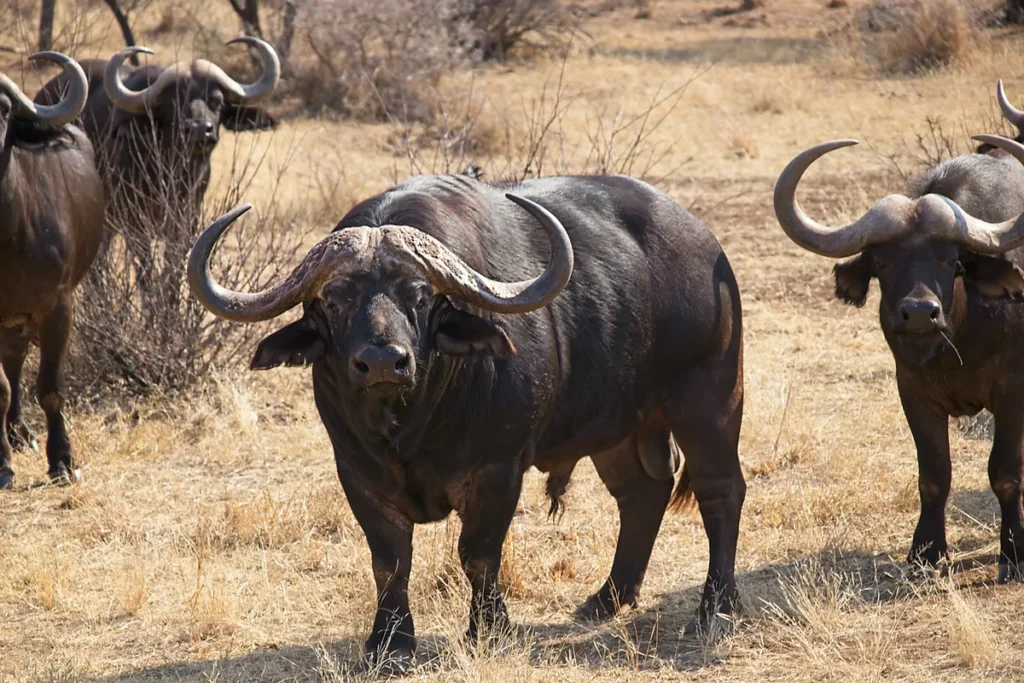
Cape Buffalo Hunting in Zimbabwe
Syncerus caffer
$10,000 – $14,000
May – October
7 days
100–120 SCI (typical), 130+ (exceptional)
Overview
The Cape Buffalo is widely regarded as Africa's most dangerous and rewarding trophy animal. Known among professional hunters as "Black Death" or "the Widowmaker," an old dugga boy buffalo represents the ultimate test of a hunter's nerve, bushcraft, and shooting ability. Zimbabwe is one of the last great strongholds for free-range Cape Buffalo hunting, with healthy breeding herds numbering over 45,000 animals across the Zambezi Valley, Save Valley Conservancy, Bubye Valley Conservancy, and Matetsi concessions.
Buffalo hunting in Zimbabwe is a classic walk-and-stalk affair through thick jesse bush and mopane woodland. Your professional hunter and a team of experienced Shona or Ndebele trackers will pick up fresh spoor at first light, following the distinctive crescent-shaped hoof prints through sand and dried mud. Tracking a breeding herd of 200 to 500 animals is an experience that defines African hunting. The approach requires reading wind direction constantly, because buffalo have an excellent sense of smell and a single whiff of human scent sends the entire herd crashing through the bush.
Most hunts take place during the dry season from May through October, when water sources shrink and buffalo herds concentrate around remaining pools and rivers. July through September is considered peak season because the bush has thinned out, making visibility easier and tracking more predictable. During these months, old dugga boys that have been pushed out of the breeding herds often form small bachelor groups of two to five bulls, and these solitary old warriors carry the heaviest bosses and widest spreads.
Zimbabwe's buffalo bulls regularly produce bosses measuring 38 to 42 inches across, with exceptional trophies exceeding 45 inches. The country's well-managed quota system, administered by the Zimbabwe Parks and Wildlife Management Authority (ZPWMA), ensures sustainable harvests while maintaining the genetic quality that has made Zimbabwean buffalo famous worldwide. The Save Valley Conservancy in particular has become known for producing some of the hardest-bossed bulls in Africa, while the Zambezi Valley offers the romance of hunting along the great river with herds moving through riverine forest and open floodplains.
Hunting Method
Walk-and-stalk is the primary method for buffalo in Zimbabwe, and it is arguably the most exciting form of hunting on Earth. Your professional hunter and two to three trackers will leave camp before dawn, driving to areas where buffalo were seen the previous evening or where fresh spoor has been reported. Once fresh tracks are located, the team moves on foot, reading the spoor for information about herd size, direction of travel, and whether the tracks belong to cows or bulls. The tracking phase can last anywhere from one to six hours, covering distances of five to fifteen kilometres through dense mopane woodland, jesse bush, and riverine thickets. Communication between the PH and trackers is done through hand signals. As you close the distance on the herd, the approach becomes intensely focused. You will hear the animals before you see them: the sound of branches breaking, low grunting, and the distinctive clacking of horns as bulls spar. The final stalk often happens at 30 to 60 yards in thick cover. Your PH will glass the herd carefully, looking for a mature bull with hard bosses that have fused at the centre, wide curls, and tips that sweep outward. Age and boss development are the key criteria. Once the right bull is identified, the shot must be taken quickly and accurately. A minimum calibre of .375 H&H Magnum is legally required for buffalo in Zimbabwe. Popular choices among experienced hunters include the .416 Rigby, .416 Remington Magnum, .458 Lott, and .458 Winchester Magnum. Many prefer a double rifle in .470 Nitro Express for the close-range encounters typical in thick bush. Shot placement is critical: aim for the crease of the front shoulder, placing the bullet through both lungs and ideally breaking the opposite shoulder to anchor the animal on the spot. A buffalo that runs into thick jesse bush after a marginal hit is extremely dangerous and will often circle back to ambush the follow-up party.
Trophy Information
A good Zimbabwe buffalo bull will have a solid boss measuring 13 to 15 inches across, with a hard centre that shows the fused bone characteristic of a fully mature animal (typically 10 years or older). The tips should curl down and back up, sweeping outward to give the classic "drop and curl" shape that trophy hunters prize. The spread from tip to tip typically ranges from 35 to 42 inches on a quality bull. The SCI minimum score for the record book is 100 inches, measured as the combined total of boss width, tip-to-tip spread, and curl depth. Zimbabwe consistently produces bulls scoring 100 to 120 SCI, with exceptional trophies from the Save Valley and Zambezi Valley exceeding 130. The hard boss is the single most important trophy characteristic, as it indicates both age and genetic quality. Look for deep curls with heavy ridging, a boss that extends well below the base of the ear, and tips that have not been broken or worn excessively. A "soft" or unfused boss indicates a younger bull that should be left to mature. The cape (shoulder skin) of a buffalo bull is also significant for mounting purposes. A quality full shoulder mount or pedestal mount requires a thick, unblemished cape with minimal scarring from fighting. Your taxidermist will need the cape skinned carefully to preserve the characteristic folds and texture of the buffalo hide.

Best Hunting Areas
Zimbabwe's premier hunting destination. The Zambezi Valley offers Big 5 hunting in vast wilderness areas along the Zambezi River escarpment.
Southern Africa's largest private conservancy. 3,400 km² of prime hunting land with exceptional buffalo, leopard, and plains game.
Adjacent to Victoria Falls, Matetsi offers world-class sable antelope, buffalo, and leopard in stunning Kalahari sand woodland.
Home to Africa's third-largest lion population. Bubye Valley offers exceptional big game hunting in the southern lowveld.
Costs Overview
CITES & Conservation
Ready to Hunt Cape Buffalo?
Connect with our vetted Zimbabwe outfitters specialising in Cape Buffalo hunting. Free quotes, no obligation.
Cape Buffalo Hunting FAQ
Related Species
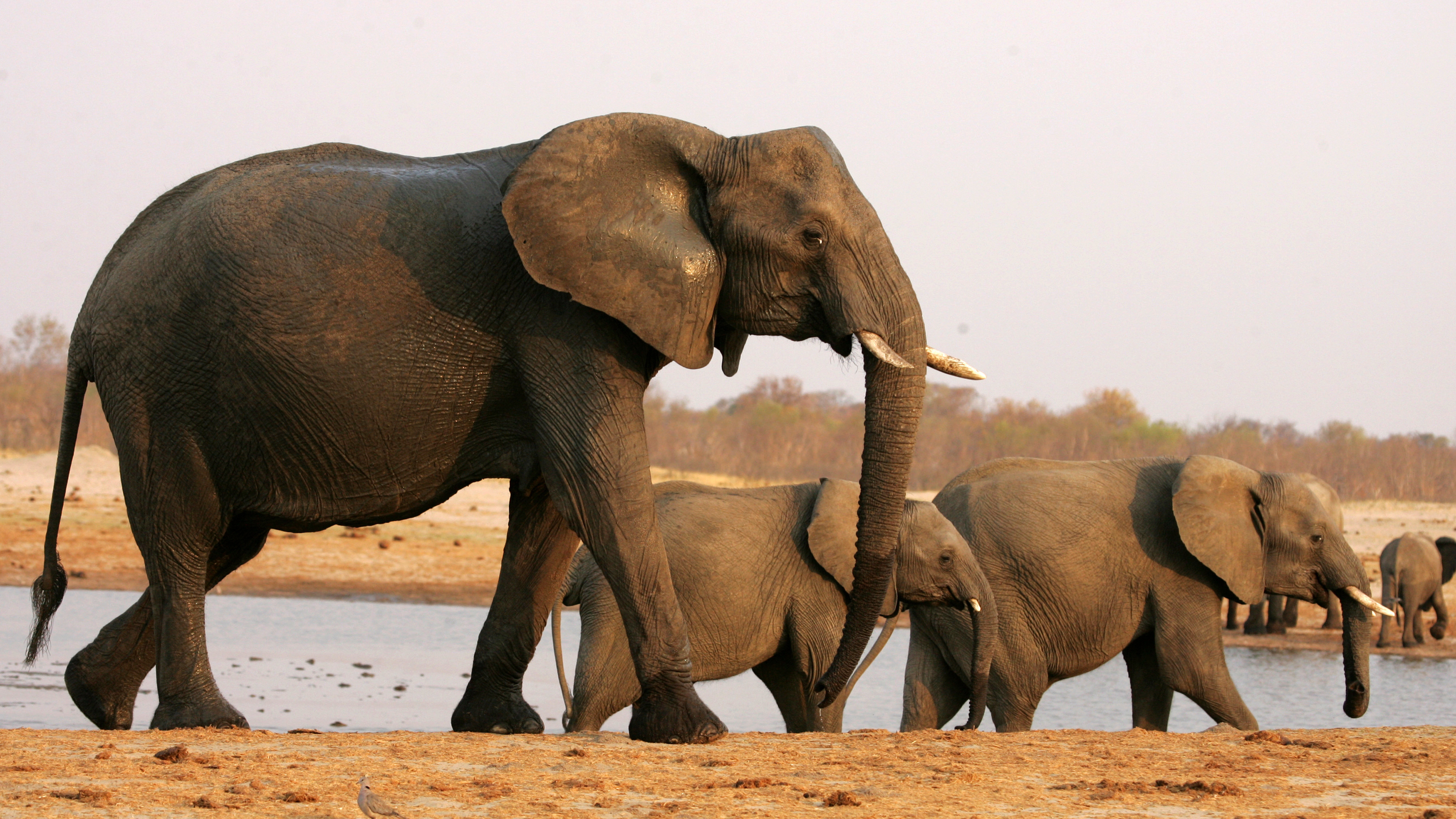
African Elephant
Hunt massive tuskers in Zimbabwe's prime elephant areas. Dande, Zambezi Valley, and Hwange offer world-class opportunities.

African Lion
Pursue the king of the African bush in Zimbabwe's top concessions. Dande and the Zambezi Valley are famous lion areas.

Leopard
Zimbabwe has excellent leopard populations. Traditional baiting techniques in the Zambezi escarpment produce exceptional trophies.

Sable Antelope
The majestic sable antelope is one of Africa's most prized trophies. Zimbabwe's Matetsi and Chete areas produce outstanding bulls.