
Sable Antelope Hunting in Zimbabwe
Hippotragus niger
$6,500 – $10,000
May – October
7 days
90–105 SCI combined horn length
Overview
The Sable Antelope is one of Africa's most magnificent and sought-after trophies. With their sweeping scimitar-shaped horns, jet-black coats, and striking white facial markings, a mature sable bull is arguably the most beautiful antelope on the continent. Many hunters rank sable alongside kudu as the ultimate plains game trophy.
Zimbabwe holds the world's finest free-range sable populations. The Matetsi Safari Area near Victoria Falls is legendary for producing record-class bulls, but excellent sable are also found in the Chete Safari Area, the Matabeleland woodlands, and parts of the Hwange periphery. Zimbabwe sable regularly produce horns measuring 40 to 46 inches, with exceptional bulls in Matetsi occasionally exceeding 48 inches.
The country's miombo and teak woodlands provide ideal habitat. Sable favour relatively open woodland where they can see approaching predators while still having access to the medium-height grass they prefer for grazing. Zimbabwe's careful quota management by ZPWMA has preserved exceptional genetic quality across the key sable areas, and the limited hunting pressure ensures that mature bulls have time to reach their full horn potential before being exposed to hunting.
Hunting Method
Sable hunting is a spot-and-stalk affair conducted in open miombo or teak woodland. The typical approach involves driving slowly through the concession in the early morning, stopping frequently to glass from elevated positions with binoculars and spotting scopes. Sable herds of 10 to 30 animals are relatively visible in the open woodland, but identifying a mature bull worth pursuing requires experience and patience. Once a good bull is identified, the stalk begins. Sable have excellent eyesight and are vigilant animals, so the approach must account for wind direction and available cover. The stalk can be anything from a quick 200-metre approach to a lengthy, circuitous route covering a kilometre or more. Shots are typically taken at 150 to 250 yards from shooting sticks. A flat-shooting rifle in .300 Winchester Magnum or .338 Winchester Magnum is ideal. Sable are robust animals with thick hide and heavy muscle over the shoulder, so premium bonded or monolithic bullets are essential. The standard shot placement is behind the shoulder through the lungs. Avoid quartering-to shots, as the angle makes it difficult to reach the vitals through the heavy shoulder bone.
Trophy Information
Horn length is the primary trophy criterion, measured along the front curve from the base to the tip. SCI minimum for the record book is 90 inches (combined measurement of both horns). A good Zimbabwe sable bull will carry horns of 40 to 44 inches per side, producing a combined score of 80 to 88 inches. Exceptional bulls exceed 46 inches per side, pushing well past the 90-inch record book minimum. Beyond length, trophy quality is judged by horn thickness (heavy bases are desirable), curvature (deep, sweeping curves indicate maturity), and symmetry. A mature bull's horns will have a dark, polished appearance with pronounced ridges at the base. Young bulls carry smoother, lighter-coloured horns that lack the character of a fully mature animal. The body colour also indicates maturity. Young sable bulls are chocolate brown, gradually darkening to jet black as they age. A truly mature trophy bull will be coal-black with a heavy neck and muscular build.

Best Hunting Areas
Adjacent to Victoria Falls, Matetsi offers world-class sable antelope, buffalo, and leopard in stunning Kalahari sand woodland.
Zimbabwe's largest and most famous wildlife ecosystem. The greater Hwange area offers exceptional elephant, sable, and plains game.
Home to Africa's third-largest lion population. Bubye Valley offers exceptional big game hunting in the southern lowveld.
Costs Overview
CITES & Conservation
Ready to Hunt Sable Antelope?
Connect with our vetted Zimbabwe outfitters specialising in Sable Antelope hunting. Free quotes, no obligation.
Sable Antelope Hunting FAQ
Related Species
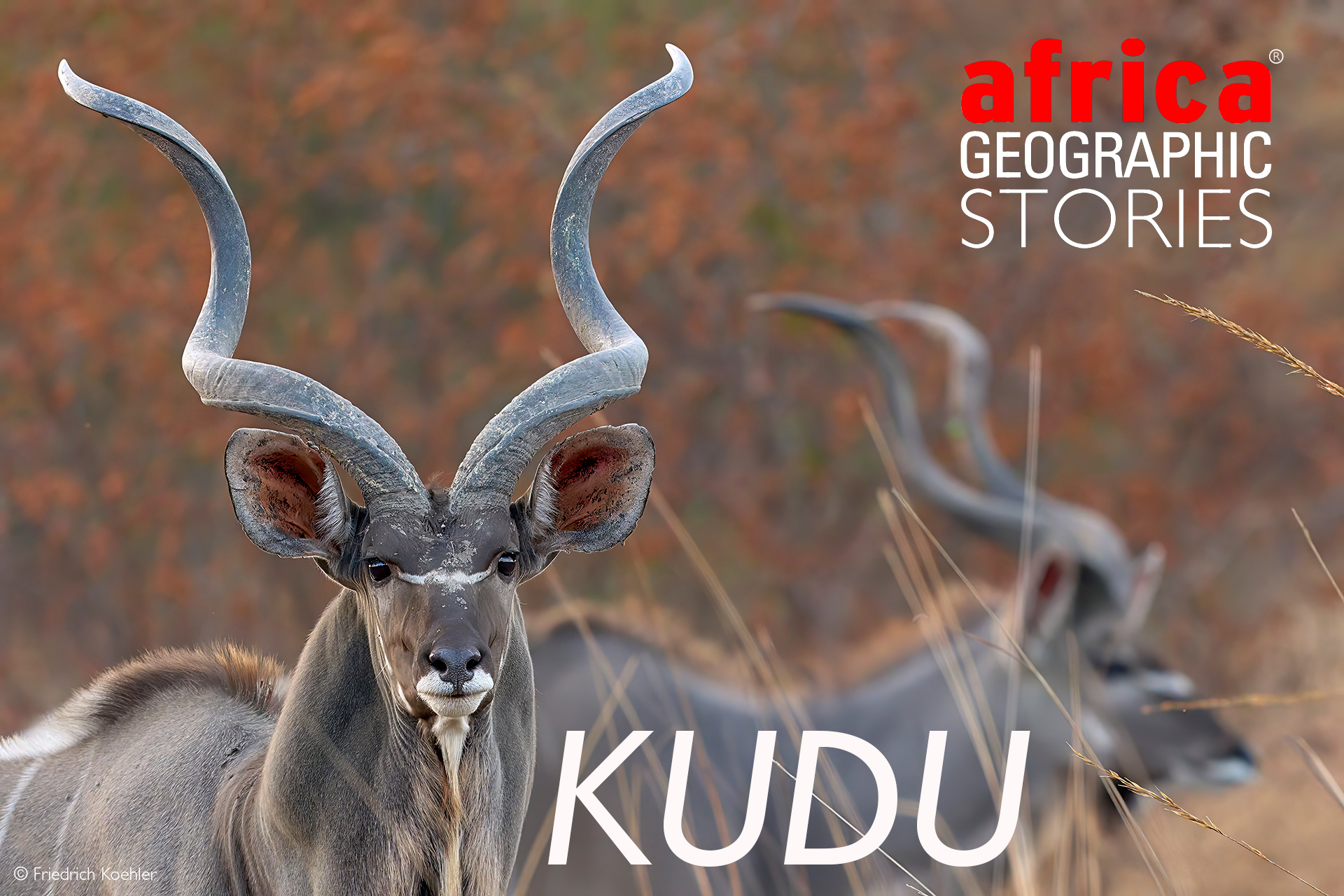
Greater Kudu
The grey ghost of the African bush. Zimbabwe offers exceptional kudu hunting throughout the country's diverse concession areas.
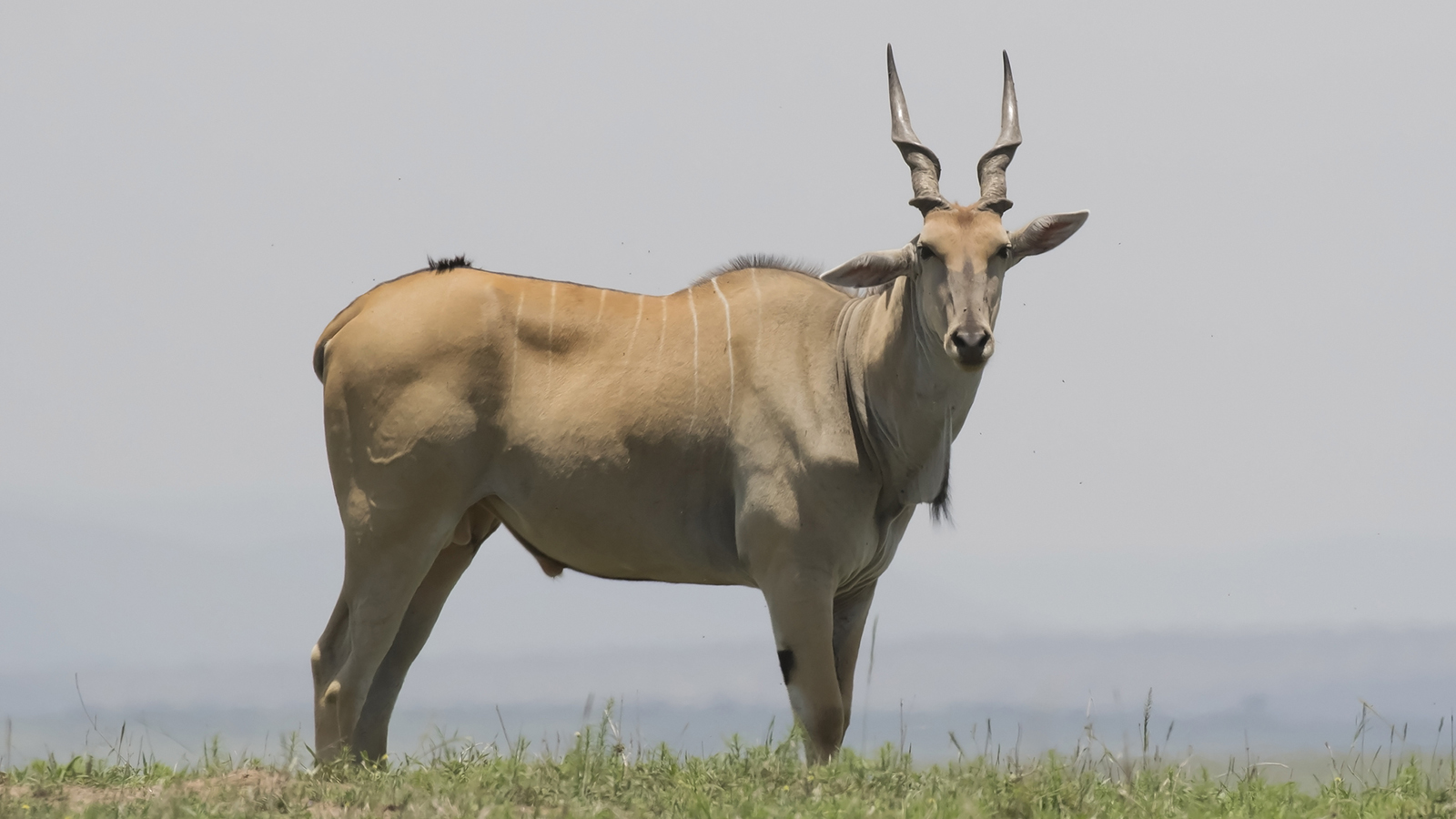
Eland
Africa's largest antelope. Mature bulls weigh up to 2,000 lbs and carry impressive spiralled horns.
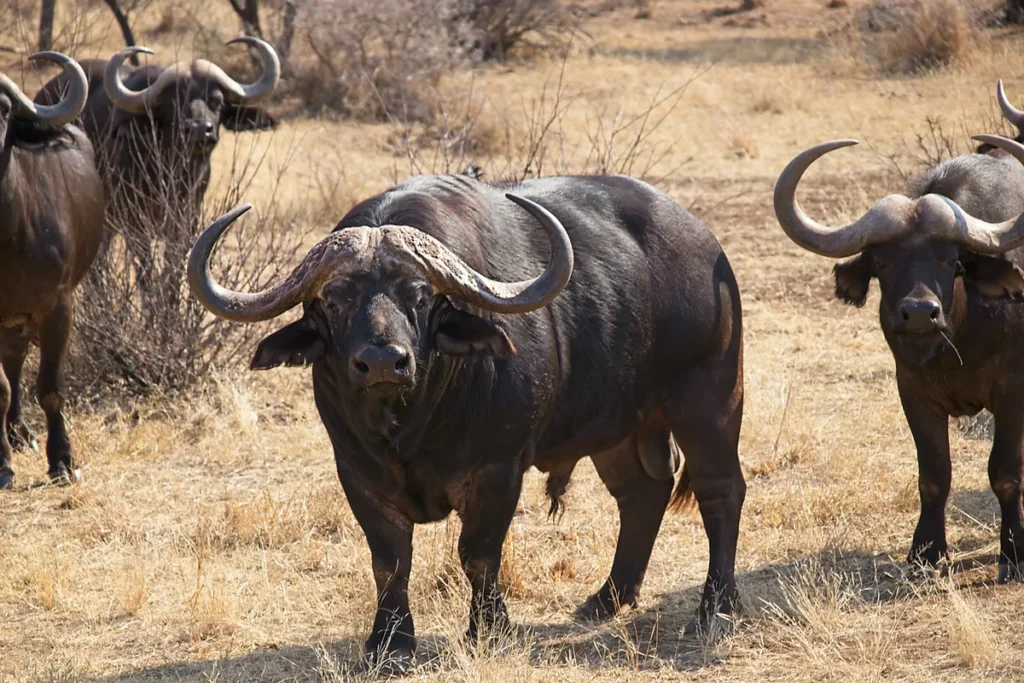
Cape Buffalo
The most sought-after of Africa's Big 5. Zimbabwe offers exceptional buffalo hunting in the Zambezi Valley and Save Conservancy.

Burchell's Zebra
Zimbabwe's Burchell's Zebra make one of Africa's most beautiful trophies. The distinctive striped hide is highly prized.