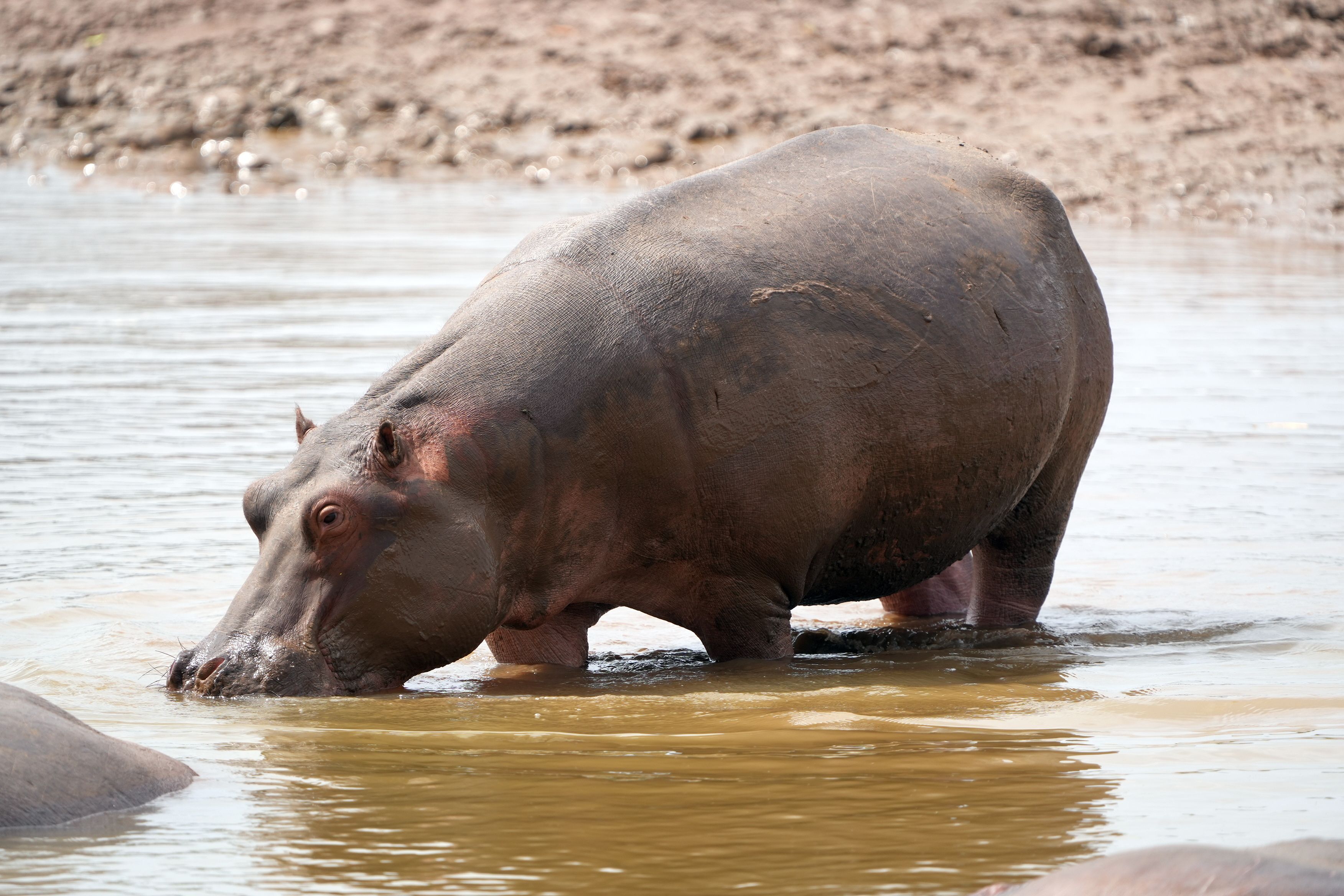
Hippopotamus Hunting in Zimbabwe
Hippopotamus amphibius
$6,000 – $10,000
May – October
7 days
12–20 SCI combined tusk measurement
Overview
The Hippopotamus is statistically Africa's most dangerous large animal, responsible for more human fatalities each year than any other species on the continent. Weighing up to 4,000 lbs with massive jaws capable of biting a small boat in half, the hippo commands enormous respect from professional hunters and local communities alike. Zimbabwe's Zambezi River and its tributaries hold substantial hippo populations, and controlled hunting is an essential management tool for reducing numbers and mitigating human-wildlife conflict in riverine farming communities where hippo cause devastating crop damage.
Hunting hippopotamus is a unique challenge unlike any other form of African hunting. The typical scenario involves approaching the riverbank quietly, identifying a mature bull in a pod of hippo, and making a precise brain shot as the animal surfaces to breathe. The brain target on a hippo is remarkably small relative to the massive head, roughly the size of a grapefruit, positioned behind and between the ears. There is very little margin for error, and a poorly placed shot can result in the animal sinking in deep water where recovery is impossible.
The ivory canines of a mature hippo bull are impressive trophies in their own right. The lower canines can weigh 4 to 8 lbs each and measure up to 20 inches in length, curving upward like scimitars. The upper incisors, while shorter, are thick and heavy. Hippo ivory is denser than elephant ivory and has a distinctive grain pattern that has been prized by artisans and collectors for centuries.
Hippo hunts along the Zambezi are commonly combined with buffalo, crocodile, and plains game species, making for an exceptional 10 to 14 day combination safari. The riverine environment provides outstanding wildlife viewing opportunities between hunting activities, with elephants, buffalo herds, and a tremendous variety of birdlife along the river systems.
Hunting Method
Hippo are primarily hunted from the riverbank during the early morning and late afternoon when pods are active and bulls surface regularly to breathe. Your professional hunter will spend time observing hippo pods from elevated banks or from a boat (used only for observation, not shooting), identifying mature bulls by their size, tusk development visible when yawning, and their position within the pod hierarchy. Dominant bulls tend to position themselves on the edges of the pod and are more aggressive when surfacing. The approach to the shooting position is made on foot along the riverbank, using natural cover and keeping below the skyline. Hippo have good eyesight and hearing, and a spooked pod will submerge and may relocate to a different section of river. Once in position, the hunter waits for the target bull to surface and present a clear brain shot. The brain shot target is a small area above and between the eyes when the hippo faces you, or just behind the ear when the animal is broadside. A .375 H&H Magnum loaded with solid (non-expanding) bullets is the minimum legal calibre, and many PHs recommend .416 or larger for the additional energy needed to penetrate the thick skull. Shot distances typically range from 40 to 100 yards. Land-based hippo stalking is an alternative method, typically conducted at night when hippo leave the water to graze. This is a more dangerous approach as hippo on land are highly aggressive and can sprint at 20 mph despite their bulk. Night stalking is conducted with a spotlight and requires a vehicle nearby for quick retreat if needed.
Trophy Information
Tusk (canine) size is the primary trophy criterion for hippopotamus. A good bull carries lower canines weighing 3 to 5 lbs each, while exceptional bulls from the Zambezi system produce tusks exceeding 6 lbs per side. The lower canines are measured by weight and length, with the SCI minimum score being 12 inches combined (total of the two lower canines measured along the outside curve). Beyond the tusks, the hippo skull itself makes a dramatic trophy display. A cleaned and bleached hippo skull is massive, measuring two feet or more in length, and makes a powerful centrepiece for a trophy room. The hide, while thick and difficult to work with, can be tanned for display or converted into leather goods. Hippo hide whips (sjamboks) are traditional Southern African items. Recovery of the animal after the shot is an important practical consideration. A clean brain shot will kill the hippo instantly, and the carcass typically sinks initially before gases bring it back to the surface within 30 to 60 minutes. In deep or fast-moving water, recovery can be challenging, and your outfitter will have a team with boats and ropes ready to secure the carcass. The meat is distributed to local communities, providing an important source of protein.

Best Hunting Areas
Costs Overview
CITES & Conservation
Ready to Hunt Hippopotamus?
Connect with our vetted Zimbabwe outfitters specialising in Hippopotamus hunting. Free quotes, no obligation.
Hippopotamus Hunting FAQ
Related Species

Nile Crocodile
Zimbabwe's Zambezi River harbours enormous Nile Crocodiles. Trophy crocs regularly exceed 14 feet.
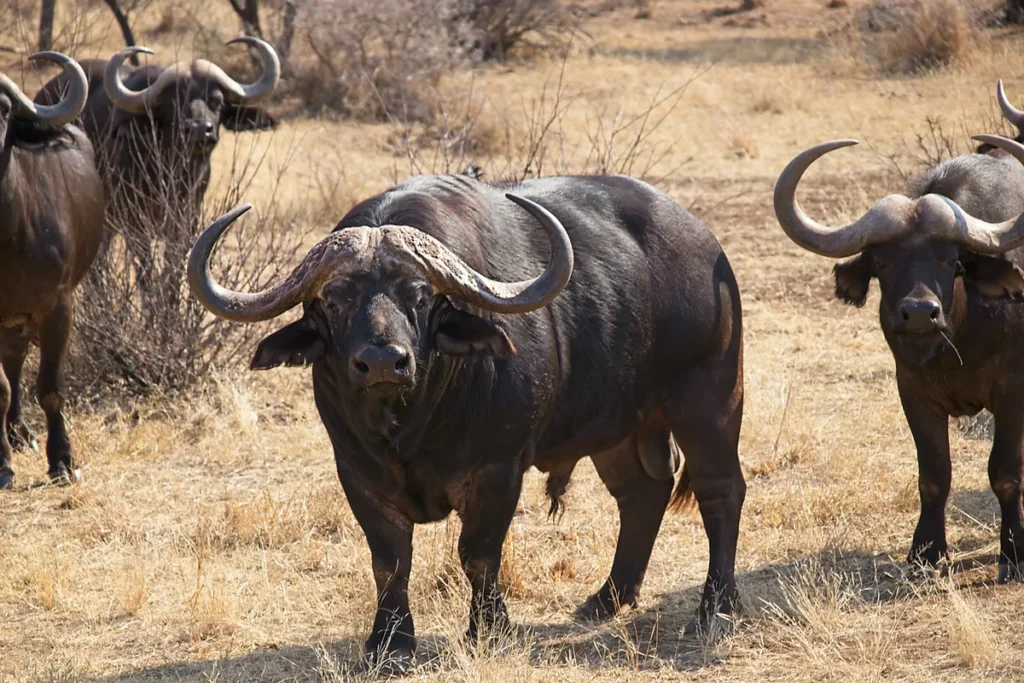
Cape Buffalo
The most sought-after of Africa's Big 5. Zimbabwe offers exceptional buffalo hunting in the Zambezi Valley and Save Conservancy.
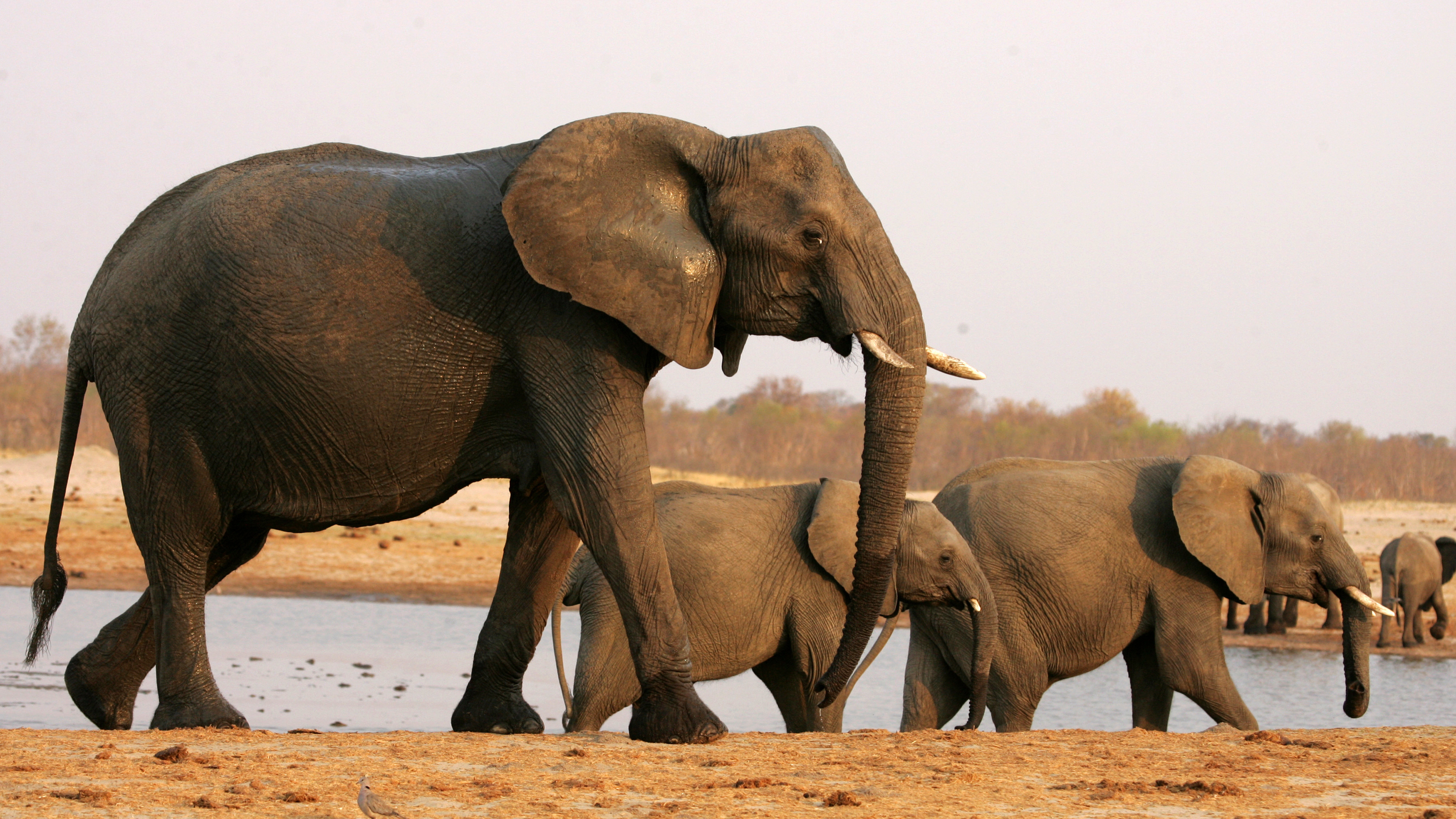
African Elephant
Hunt massive tuskers in Zimbabwe's prime elephant areas. Dande, Zambezi Valley, and Hwange offer world-class opportunities.

African Lion
Pursue the king of the African bush in Zimbabwe's top concessions. Dande and the Zambezi Valley are famous lion areas.