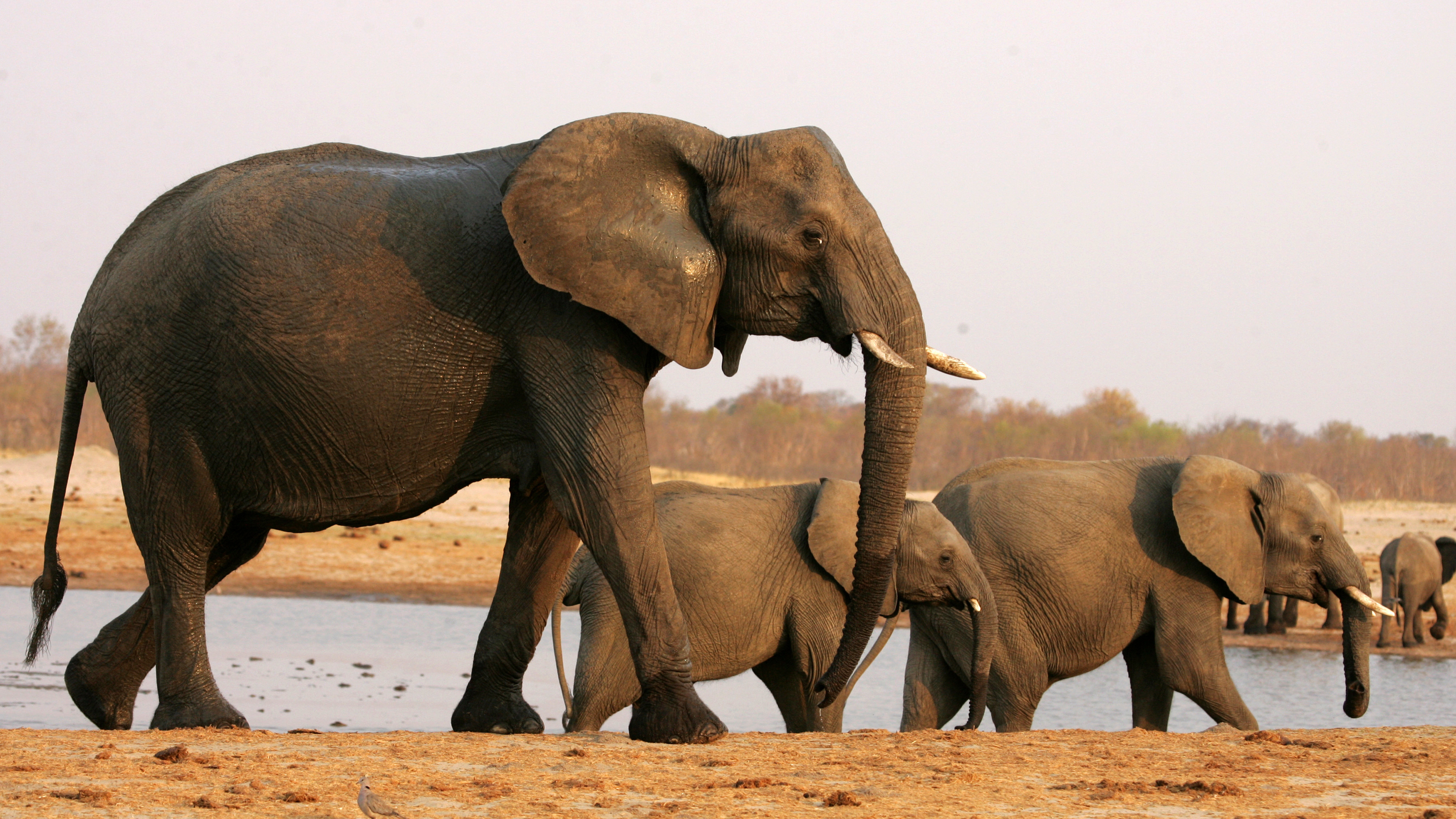
African Elephant Hunting in Zimbabwe
Loxodonta africana
$20,000 – $50,000
April – October
10 days
90–130 SCI combined ivory weight
Overview
Zimbabwe is one of the few African countries still offering elephant hunting on a sustainable quota basis, and the experience ranks among the most intense and rewarding pursuits available to any hunter anywhere in the world. With a national population exceeding 100,000 elephants, well above the estimated carrying capacity of 50,000 to 60,000 animals, controlled hunting plays a vital role in human-wildlife conflict mitigation and generates crucial funding for anti-poaching operations and community development programs across rural Zimbabwe.
The Zambezi Valley is the epicentre of Zimbabwe elephant hunting. The Dande communal lands, Chewore Safari Area, and the lower Zambezi escarpment produce some of Africa's finest tuskers, with bulls regularly carrying ivory exceeding 50 lbs per side. These remote concessions along the Zambezi River and its tributaries harbour mature bulls that have survived decades in some of the wildest country left on the continent. The terrain is punishing: steep escarpment slopes, thick jesse bush, mopane woodland, and dry riverbeds that wind through broken country where temperatures regularly exceed 40°C during September and October.
Elephant hunting in Zimbabwe is the ultimate test of bushcraft. Following fresh spoor through thick cover, closing to within 15 to 30 yards of Africa's largest land animal, and making a precise brain shot requires years of experience, exceptional nerves, and absolute trust in your professional hunter. There is no margin for error. A bull elephant in thick bush at close range is the most dangerous situation in all of hunting, and the adrenaline of that final approach is something that stays with you forever.
The ZPWMA manages elephant hunting quotas with strict oversight, and the revenue generated from elephant hunts contributes significantly to the CAMPFIRE programme (Communal Areas Management Programme for Indigenous Resources), which channels hunting revenue directly to rural communities. This model has been instrumental in maintaining community tolerance for elephants in areas where crop raiding and property damage would otherwise drive persecution.
Hunting Method
Elephant hunting is pure tracking, and it demands the highest level of physical fitness and mental discipline of any form of hunting. Your team, consisting of a professional hunter, a government game scout, and two to three experienced trackers, will leave camp at first light and drive to areas where fresh elephant sign has been reported or where bulls have been feeding near water. Once fresh spoor is located, the team moves on foot. The trackers read the size, depth, and freshness of the footprints to determine the bull's size and how far ahead he is. A mature bull leaves a front footprint measuring 50 to 56 centimetres in circumference, which correlates directly to shoulder height. The tracking can continue for four to eight hours, covering distances of 10 to 25 kilometres through dense bush and broken terrain. The approach requires absolute silence and constant wind management. Elephants possess extraordinary hearing and arguably the best sense of smell of any land animal. A shifting breeze at 100 yards will send a bull crashing through the bush, often ending the day's hunt in an instant. Your PH and trackers will monitor the wind obsessively, using ash bags and fine dust to check direction. The classic brain shot is taken at 15 to 40 yards, requiring exact knowledge of elephant skull anatomy. A side brain shot at the earhole or a frontal brain shot between the eyes are the two standard angles. The brain itself is roughly the size of a loaf of bread, positioned deep within the massive skull, and the shot window is unforgiving. Minimum calibre is .375 H&H Magnum, though the vast majority of experienced elephant hunters use .416 Rigby, .458 Lott, or .500 Nitro Express with heavy solid (non-expanding) projectiles. The heart/lung shot is an alternative, aimed low behind the front leg, but the brain shot remains the preferred method for an instant, humane kill.
Trophy Information
Ivory size is the primary trophy criterion for elephant. A good Zimbabwe bull will carry tusks weighing 40 to 60 lbs per side, with exceptional animals from the Zambezi Valley exceeding 70 lbs. True trophy bulls with ivory over 60 lbs per side have become increasingly rare across Africa, which makes Zimbabwe's Zambezi concessions some of the most valuable elephant hunting ground remaining on the continent. The SCI minimum score for the record book is 90 inches combined (total weight of both tusks in pounds). Zimbabwe consistently produces bulls scoring 90 to 130 SCI, and the Dande and Chewore concessions have produced several entries exceeding 150 combined. Tusks are officially measured by weight in pounds and length in inches from the lip line to the tip. The shape, symmetry, and colour of the ivory also contribute to trophy quality, with pale, evenly curved tusks considered most desirable. Beyond ivory, the feet and ears of an elephant bull make popular secondary trophies. Elephant feet are traditionally converted into stools or umbrella stands, while the ears can be tanned for display. The tail hairs are also collected as keepsakes. A full elephant trophy preparation (dip and pack) is a significant undertaking given the sheer size of the animal, and you should budget $3,000 to $5,000 for preparation and initial shipping costs.
Best Hunting Areas
Zimbabwe's premier hunting destination. The Zambezi Valley offers Big 5 hunting in vast wilderness areas along the Zambezi River escarpment.
Zimbabwe's largest and most famous wildlife ecosystem. The greater Hwange area offers exceptional elephant, sable, and plains game.
Costs Overview
CITES & Conservation
Ready to Hunt African Elephant?
Connect with our vetted Zimbabwe outfitters specialising in African Elephant hunting. Free quotes, no obligation.
African Elephant Hunting FAQ
Related Species
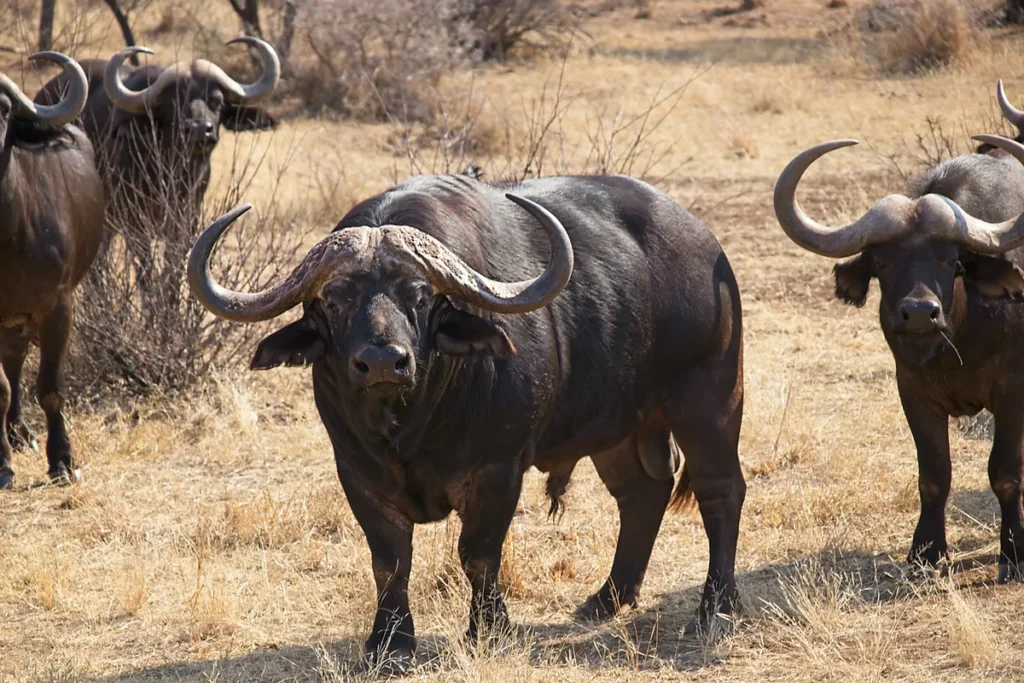
Cape Buffalo
The most sought-after of Africa's Big 5. Zimbabwe offers exceptional buffalo hunting in the Zambezi Valley and Save Conservancy.

African Lion
Pursue the king of the African bush in Zimbabwe's top concessions. Dande and the Zambezi Valley are famous lion areas.

Leopard
Zimbabwe has excellent leopard populations. Traditional baiting techniques in the Zambezi escarpment produce exceptional trophies.
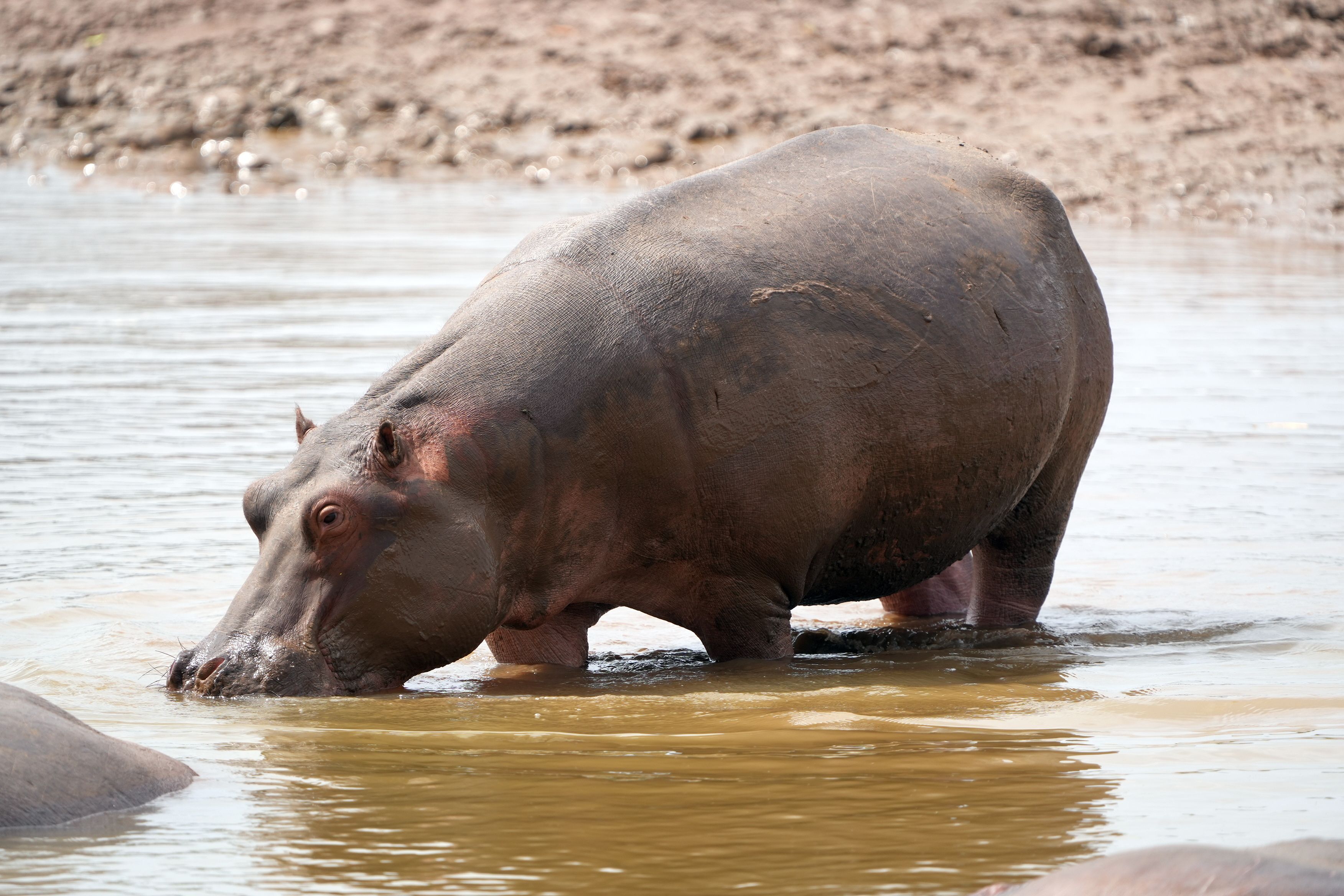
Hippopotamus
Africa's most dangerous animal by annual human fatality count. Zimbabwe's Zambezi River offers exceptional hippo hunting.