
Nile Crocodile Hunting in Zimbabwe
Crocodylus niloticus
$5,000 – $8,000
May – October
7 days
12–16 feet total length
Overview
The Nile Crocodile is the largest freshwater predator in Africa and one of the most ancient and formidable hunters on Earth. These living dinosaurs have remained essentially unchanged for 200 million years, and encountering a large crocodile basking on a Zambezi sandbank is a visceral reminder of Africa's raw, prehistoric wildness. Zimbabwe's Zambezi River system produces some of the biggest Nile Crocodiles on the continent, with trophy animals regularly exceeding 14 feet in total length and exceptional specimens reaching 16 feet or more.
Crocodile hunting is fundamentally different from any other form of African hunting. It is a game of extreme patience and precision, requiring hours of careful scanning along riverbanks and sandbanks to locate a trophy-sized animal, followed by a single, precisely placed brain shot at distance. There are no second chances with crocodile: a missed or poorly placed shot sends the animal into the water instantly, and once submerged, a wounded croc is virtually impossible to recover.
The Zambezi River and its major tributaries offer outstanding crocodile hunting, with healthy populations of large animals sustained by the abundant fish and wildlife resources of the river system. Crocodile hunts are commonly combined with hippopotamus and buffalo along the Zambezi, creating an exciting and varied combination safari. The riverine camps used for these hunts are among the most scenic in Zimbabwe, with dramatic views along the river and outstanding birdlife.
Crocodile trophies are increasingly popular and visually dramatic. A cleaned skull of a 14-foot crocodile measures 18 to 22 inches in length and makes a powerful display piece. The tanned skin can be used for full-length flat mounts, and the teeth, particularly the large front fangs, are collected as individual keepsakes.
Hunting Method
Crocodile hunting requires a methodical, patient approach. Your PH will drive or walk along the Zambezi riverbanks during the early morning hours when crocodiles haul out onto sandbanks and rocky ledges to bask in the sun. Large binoculars (10x42 or 12x50) are essential for scanning at distance, and the PH uses reference points like rocks, logs, and vegetation to estimate the body length of each crocodile spotted. Trophy crocs are identified primarily by body length, with the PH looking for animals that clearly exceed 12 feet. Head width, limb thickness, and the overall bulk of the animal are secondary indicators of size. A croc that looks "flat and wide" when basking is generally larger than one that appears more rounded and elevated. Experienced PHs in the Zambezi concessions know specific basking spots where large males return repeatedly, and these locations are checked systematically. Once a trophy animal is identified, the approach is made carefully on foot, using natural cover and staying low. The shot must be taken from a stable rest position, ideally prone with a bipod or from shooting sticks. The target is the brain, which sits behind the eye in a golf-ball sized area within the skull. At 80 to 150 yards, this requires genuine marksmanship. A scoped .300 Winchester Magnum or .338 Winchester Magnum loaded with solid or heavy bonded bullets is the standard choice. The bullet must penetrate the thick skull plates to reach the brain. A perfect brain shot kills the crocodile instantly, and it will remain on the bank. A marginal hit allows the croc to reach the water, where it is almost certainly lost. For this reason, patience in waiting for the right shot presentation is critical.
Trophy Information
Total body length from snout to tail tip is the primary measurement for crocodile trophies. The SCI minimum for the record book is 12 feet. Good Zimbabwe crocs measure 13 to 15 feet, with exceptional specimens from the Zambezi system exceeding 16 feet. Skull width is a secondary measurement that indicates the overall massiveness of the animal, with large males carrying skulls 12 to 16 inches wide. Skin condition is an important practical consideration, particularly if you plan a flat skin mount. A clean, unblemished hide without excessive scarring from territorial fights or old wounds produces the best taxidermy result. The belly skin of a Nile Crocodile is smooth and patterned, while the dorsal (back) skin carries the distinctive bony scutes that give crocodiles their armoured appearance. A full-length flat skin of a 14-foot crocodile makes one of the most dramatic wall displays of any African trophy, measuring roughly 14 feet long by 3 to 4 feet wide. Skull mounts are more compact and equally impressive. The large front teeth can be removed and mounted individually or as a complete jaw set. Budget $2,000 to $3,500 for dip, pack, and initial taxidermy preparation of a crocodile trophy, depending on the mount style chosen.
Best Hunting Areas
Costs Overview
CITES & Conservation
Ready to Hunt Nile Crocodile?
Connect with our vetted Zimbabwe outfitters specialising in Nile Crocodile hunting. Free quotes, no obligation.
Nile Crocodile Hunting FAQ
Related Species
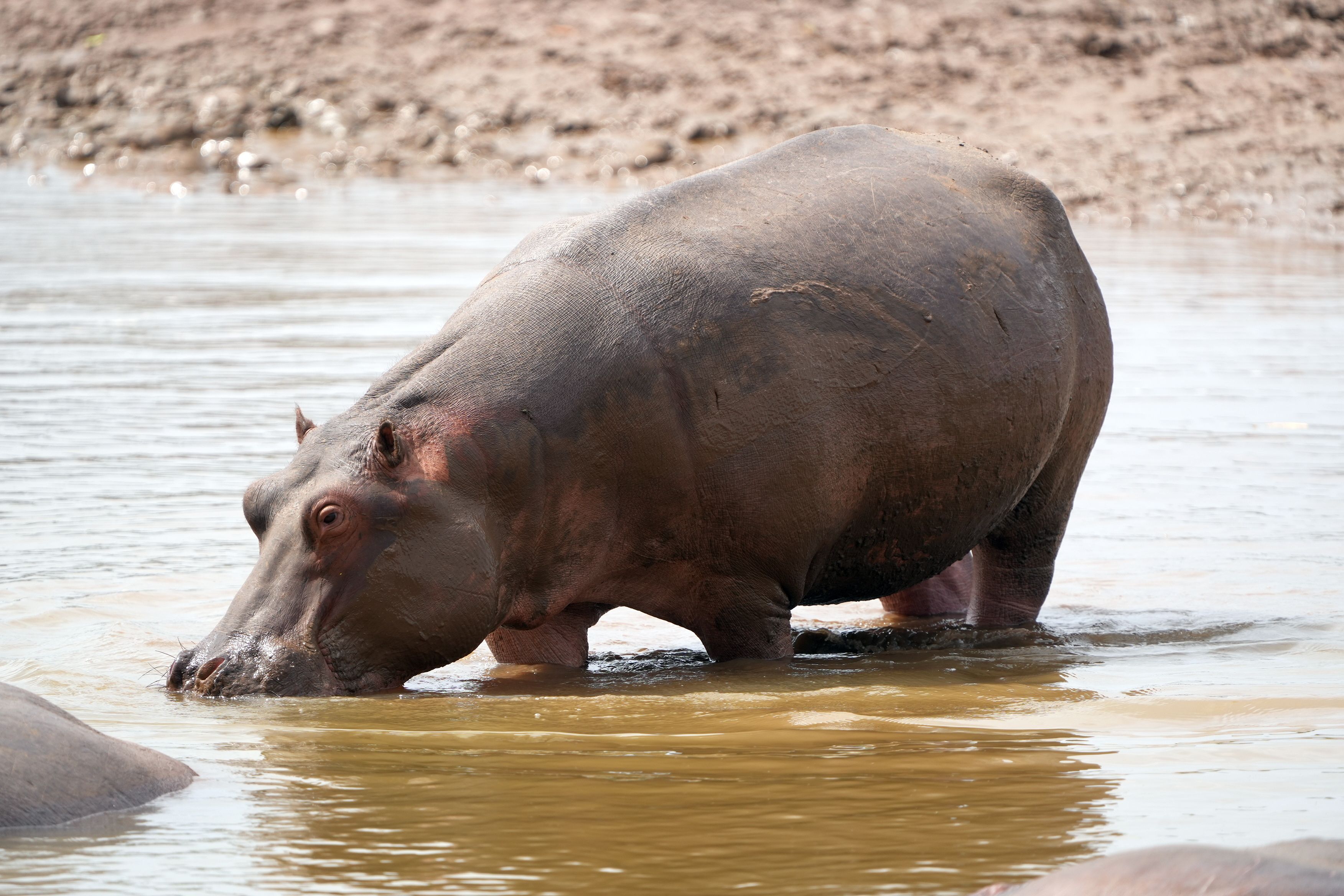
Hippopotamus
Africa's most dangerous animal by annual human fatality count. Zimbabwe's Zambezi River offers exceptional hippo hunting.
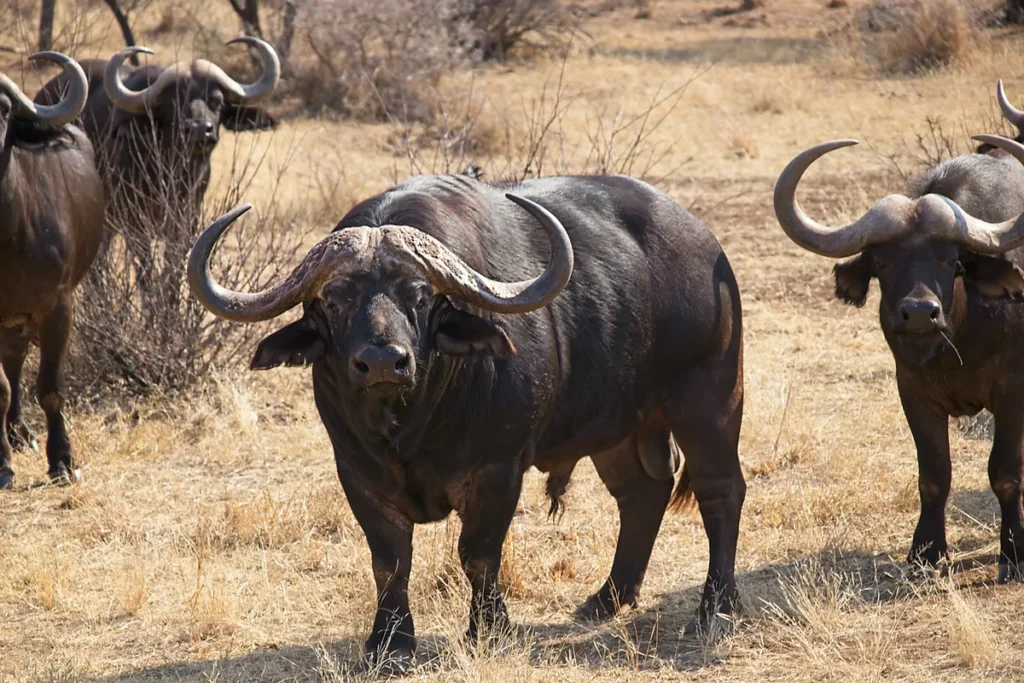
Cape Buffalo
The most sought-after of Africa's Big 5. Zimbabwe offers exceptional buffalo hunting in the Zambezi Valley and Save Conservancy.
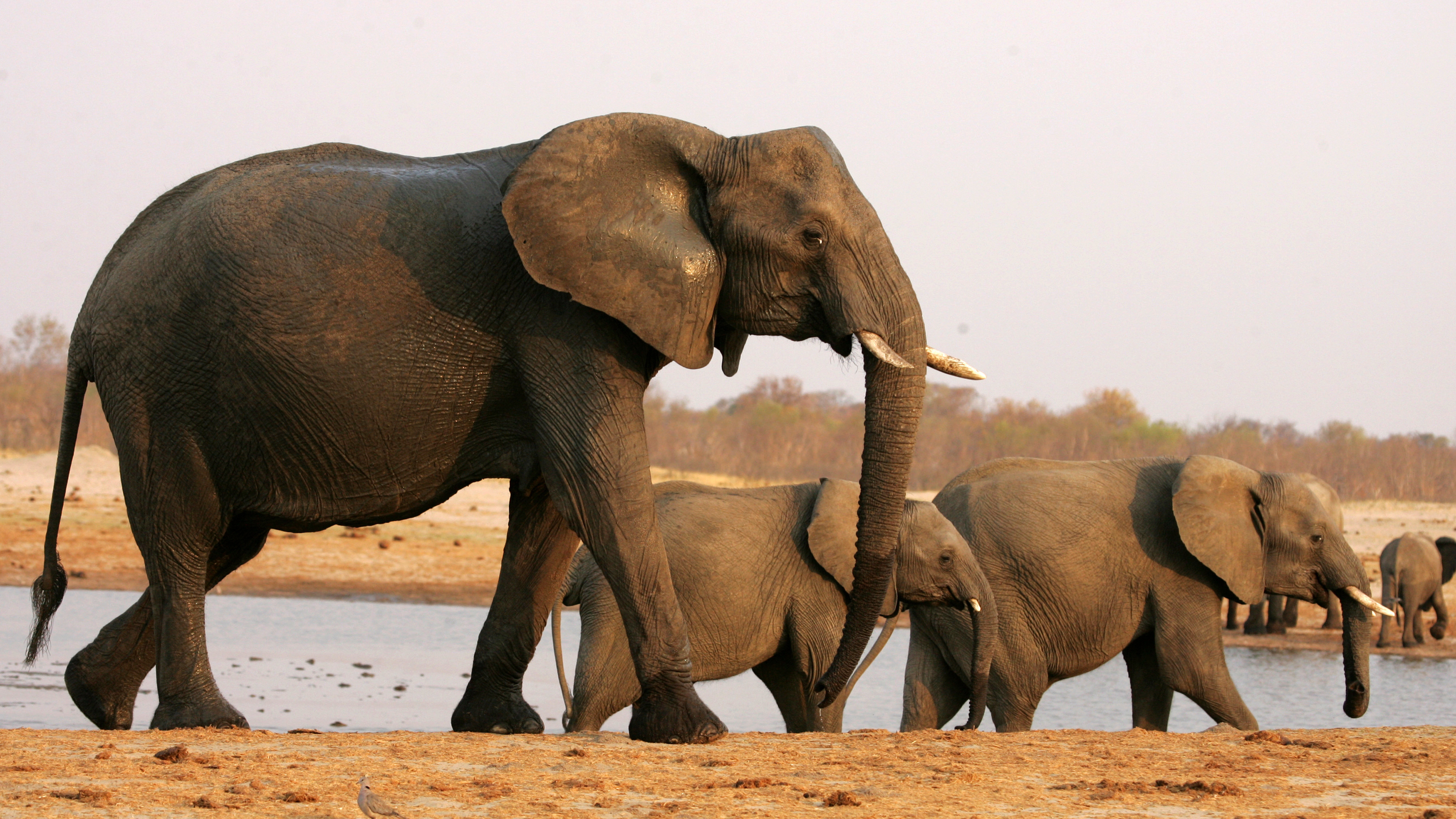
African Elephant
Hunt massive tuskers in Zimbabwe's prime elephant areas. Dande, Zambezi Valley, and Hwange offer world-class opportunities.

Leopard
Zimbabwe has excellent leopard populations. Traditional baiting techniques in the Zambezi escarpment produce exceptional trophies.