
African Lion Hunting in Zimbabwe
Panthera leo
$30,000 – $55,000
May – October
14 days
23–26 SCI (skull measurement)
Overview
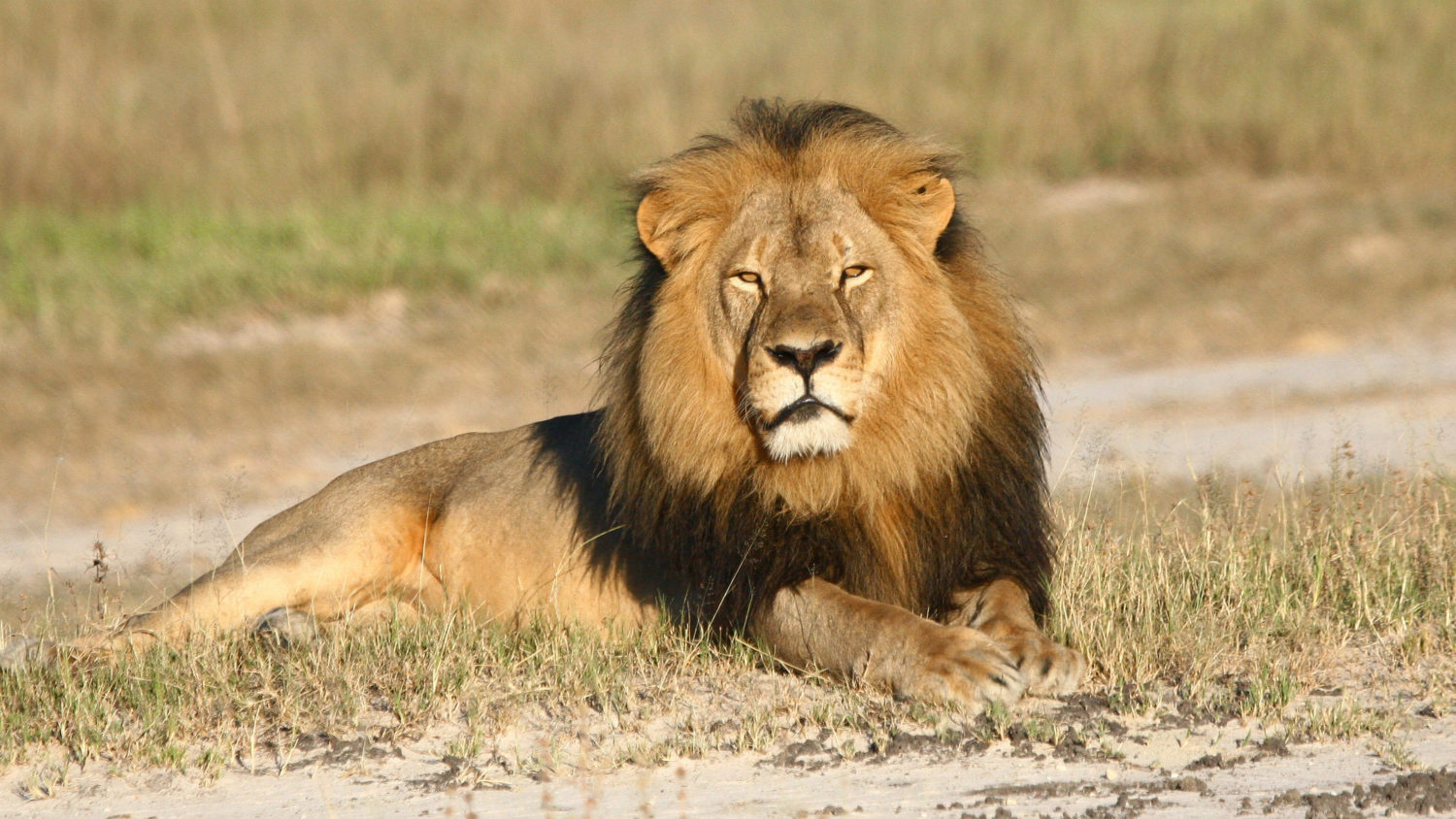
Lion hunting is the pinnacle of the African safari experience, and Zimbabwe's remote northern concessions offer some of the last authentic opportunities to pursue the king of beasts on foot in truly wild Africa. The Dande communal lands and northern Zambezi Valley hold some of Southern Africa's last remaining huntable lion populations, and a Zimbabwe lion hunt is considered by many professional hunters to be the most exclusive and prestigious trophy pursuit available anywhere on the continent.
The Zimbabwe Parks and Wildlife Management Authority (ZPWMA) allocates a strictly limited annual quota, ensuring that only mature males over six years of age are harvested. Age determination is carried out through a combination of mane development assessment, nose pigmentation analysis (lions develop black spots on the nose as they age), and tooth wear evaluation. This rigorous system protects breeding-age males while targeting post-prime animals that have often been displaced from prides and no longer contribute to reproduction.
A Zimbabwe lion hunt is not a casual affair. It requires 14 to 21 days in remote bush camps accessible only by light aircraft or long overland drives, tracking on foot through prime lion territory, and confronting Africa's apex predator at close range. The camps themselves are basic but functional, situated along river systems where lions concentrate during the dry season. The Dande Safari Area, Chewore South, and the remote concessions along the Mozambique border have produced some of the largest maned lions on the continent, with SCI skull scores regularly exceeding 24 inches.
Lion hunting carries significant additional costs beyond the trophy fee, including charter flights to remote concessions, extended daily rates for the 14 to 21 day hunt, and substantial government levies. However, the revenue generated is critically important for lion conservation in Zimbabwe, funding anti-poaching patrols, lion monitoring programmes, and community compensation for livestock losses.
Hunting Method
Lion hunting in Zimbabwe uses a combination of tracking, calling, and baiting, and the strategy depends on the terrain and local conditions of the specific concession. In the Zambezi Valley, where lions patrol river systems and prey on buffalo herds, tracking is the primary method. Your PH and trackers will pick up fresh lion spoor along sandy riverbeds and game trails, following the tracks to locate resting lions during the heat of the day. Baiting is the most common method in areas of dense bush where tracking visibility is limited. Large carcasses, typically buffalo or hippo, are placed in strategic locations along known lion routes. The baits are checked daily for sign, and once a mature male begins feeding, a blind is constructed downwind at 40 to 60 yards. Lion baiting requires heavier carcasses than leopard baiting because lions feed in groups and can consume an entire buffalo carcass in a single night. Calling is another technique used particularly during the mating season, when territorial males respond aggressively to recorded sounds of rival males or distressed prey. Walk-and-stalk is employed when lions are located on a fresh kill, at water, or resting in open areas. The final approach is typically at 40 to 80 yards, often with the lion fully aware of your presence. A .375 H&H Magnum is the minimum legal calibre for lion in Zimbabwe, but most experienced hunters and PHs strongly recommend .416 Rigby, .458 Lott, or larger. Lions are incredibly tenacious and can cover 40 yards in under two seconds when charging. Shot placement through the heart and lungs, aiming at the crease of the front shoulder when the lion is broadside, is critical for a quick, clean kill.
Trophy Information
A trophy lion is officially measured by skull length and width, combined into a single SCI score. The SCI minimum for the record book is 23 inches. A good Zimbabwe lion will score 24 to 26 inches, with exceptional males from the Dande and northern Zambezi occasionally exceeding 27 inches. Skull size correlates with overall body size and age, and a fully mature male lion in the 24 to 26 inch range represents a magnificent trophy. Mane quality is an important secondary consideration and varies significantly by region and individual genetics. Zambezi Valley lions tend to develop darker, fuller manes than lions in drier, more open habitat, likely due to cooler nighttime temperatures along the river systems. A mature male with a full, dark mane extending over the shoulders and chest is the iconic image of a trophy lion. However, mane quality is not part of the official SCI score. Age verification is mandatory before ZPWMA will issue an export permit. The harvested lion's lower jaw is submitted for tooth sectioning and analysis to confirm the animal was six years or older. If the lion fails the age test, the export permit is denied and the trophy cannot leave Zimbabwe. This system ensures that hunters and outfitters are incentivized to be absolutely certain of the lion's age before taking the shot.
Best Hunting Areas
Zimbabwe's premier hunting destination. The Zambezi Valley offers Big 5 hunting in vast wilderness areas along the Zambezi River escarpment.
Zimbabwe's largest and most famous wildlife ecosystem. The greater Hwange area offers exceptional elephant, sable, and plains game.
Costs Overview
CITES & Conservation
Ready to Hunt African Lion?
Connect with our vetted Zimbabwe outfitters specialising in African Lion hunting. Free quotes, no obligation.
African Lion Hunting FAQ
Related Species

Leopard
Zimbabwe has excellent leopard populations. Traditional baiting techniques in the Zambezi escarpment produce exceptional trophies.
Cape Buffalo
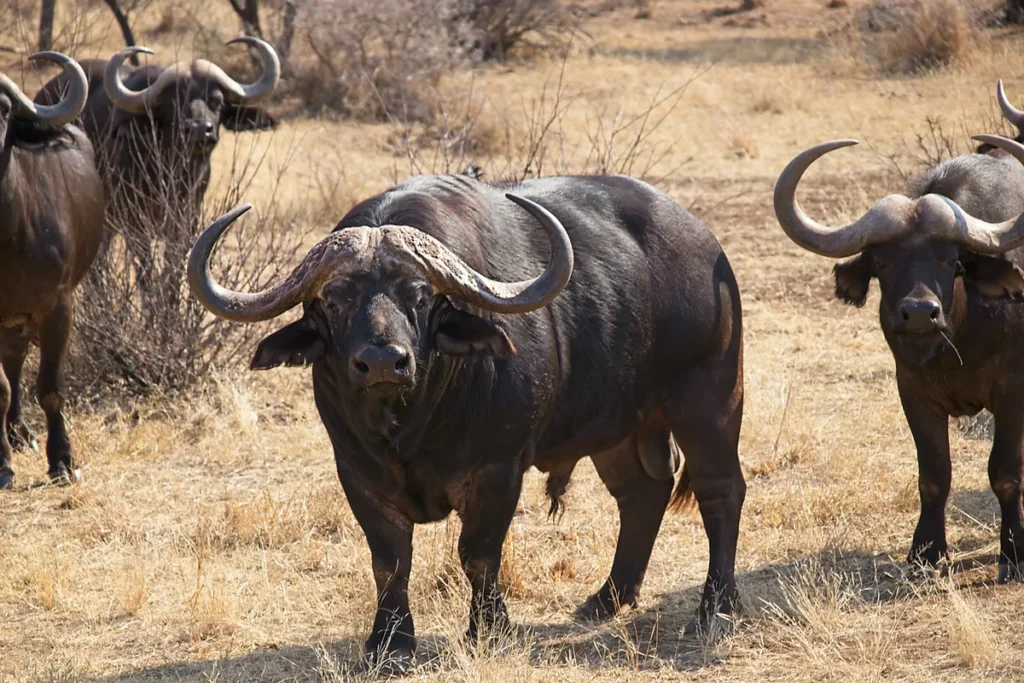
The most sought-after of Africa's Big 5. Zimbabwe offers exceptional buffalo hunting in the Zambezi Valley and Save Conservancy.
African Elephant
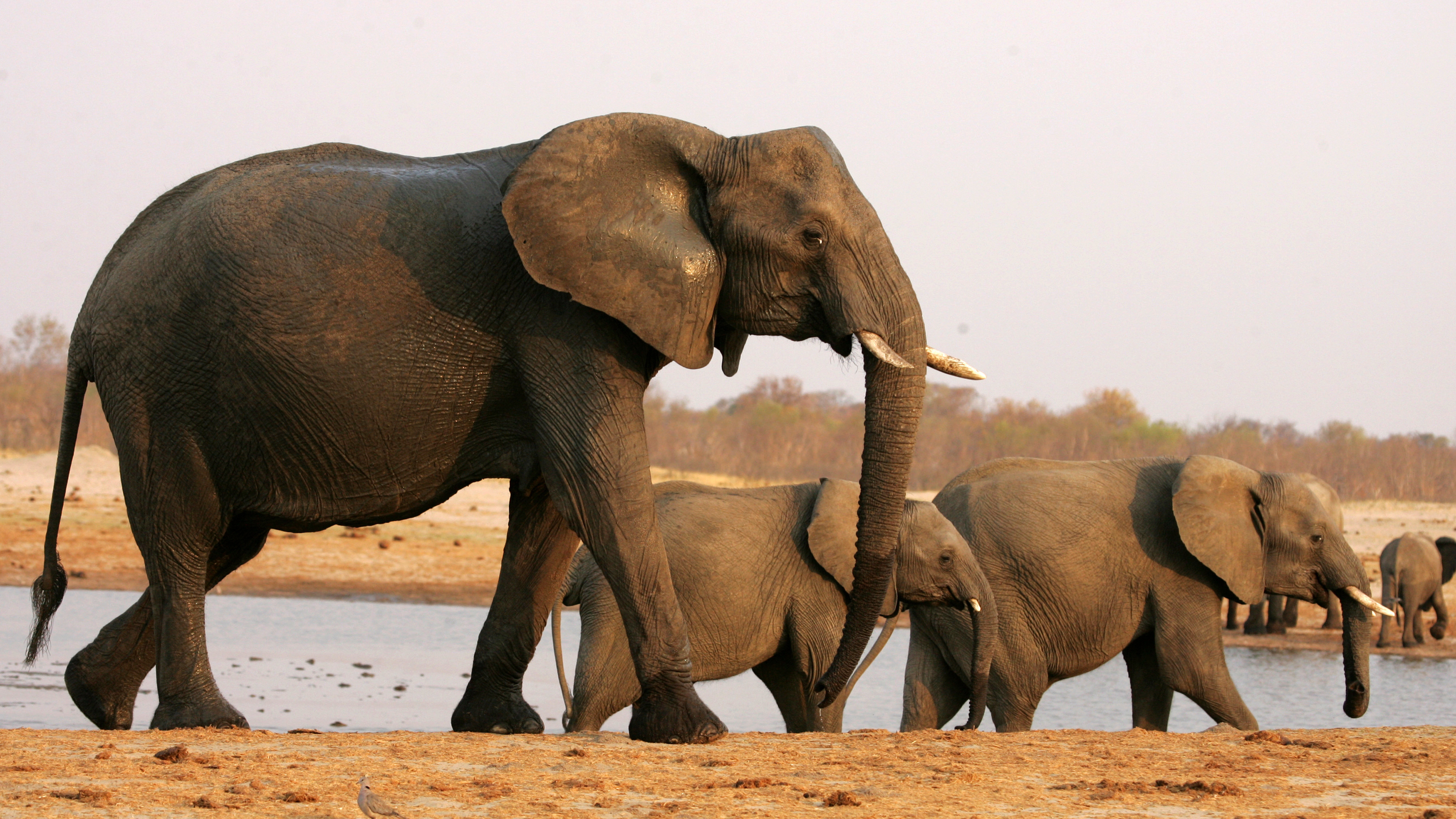
Hunt massive tuskers in Zimbabwe's prime elephant areas. Dande, Zambezi Valley, and Hwange offer world-class opportunities.
Hippopotamus
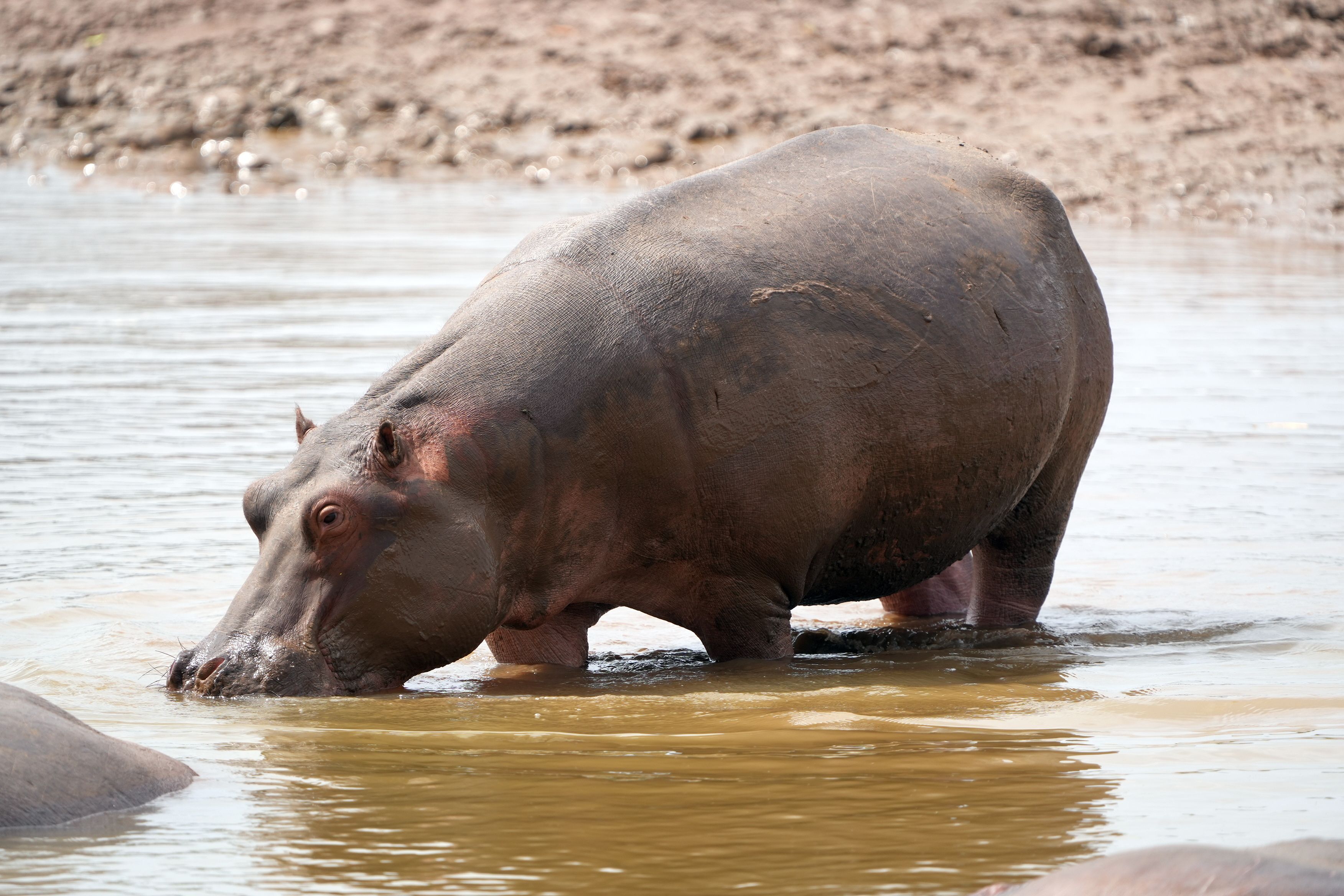
Africa's most dangerous animal by annual human fatality count. Zimbabwe's Zambezi River offers exceptional hippo hunting.