
Leopard Hunting in Zimbabwe
Panthera pardus
$5,000 – $8,000
May – September
14 days
14–16 SCI (skull measurement)
Overview
The leopard is arguably the most challenging and rewarding trophy in all of African hunting. There is something deeply primal about the experience: sitting alone in a grass blind as the African sun drops behind the treeline, listening to the bush come alive with the sounds of nightfall, and waiting for the silent approach of one of nature's most perfect predators. Zimbabwe offers some of the best leopard hunting on the continent, with healthy populations spread across the Zambezi Valley escarpment, Save Valley Conservancy, Matetsi Safari Area, and the rugged kopje country of the southern lowveld.
Unlike other dangerous game species where the hunt is active and physical, leopard hunting rewards patience and stealth above all else. The classic baiting method involves hanging fresh impala or baboon carcasses in carefully selected trees along drainage lines, rocky outcrops, and riverine corridors. Your professional hunter will draw on years of experience reading leopard sign: scratch marks on tree trunks, scrape marks in sand, and the distinctive rasping territorial calls that echo through the valleys at night.
Zimbabwe's leopard hunts typically run 14 to 21 days, with the first five to seven days dedicated entirely to hanging and monitoring baits across 8 to 12 sites spread over 50 to 100 square kilometres. Trail cameras and daily track monitoring reveal which baits have been visited, and the PH uses pugmark size and stride length to assess whether the cat is a mature male worth pursuing. A large male Zimbabwe leopard will measure seven feet or more from nose to tail tip and weigh 150 to 180 lbs, with the biggest toms coming from the Zambezi escarpment and the rocky river systems of the Save Valley.
The Zambezi escarpment provides ideal leopard habitat because it combines dense riverine bush, rocky kopjes with natural caves and overhangs, and abundant prey species including impala, bushbuck, and baboon. Leopard density in these concessions is among the highest in Southern Africa, and the ZPWMA manages hunting quotas conservatively to ensure sustainable offtake of mature males only.
Hunting Method
Traditional baiting is the standard and most effective method for leopard in Zimbabwe. The process begins with your PH selecting bait sites based on years of local knowledge. Ideal locations include large trees along drainage lines where leopards naturally travel, rocky kopjes where they den, and riverine forest edges near permanent water. Each bait (typically a fresh impala carcass) is hung securely in a tree at a height of 8 to 12 feet, positioned so the feeding cat is broadside to the blind position. Your PH will establish 8 to 12 bait sites across the concession, spacing them strategically to cover different territories. Each morning, the team drives a circuit checking every bait for sign: tracks in swept sand beneath the tree, claw marks on the bark, feeding evidence on the carcass, and drag marks. Trail cameras provide additional intelligence. When a bait shows clear evidence of a large male feeding, a blind is constructed 60 to 80 yards away, using natural materials and grass to blend with the surroundings. The blind hunt itself is the heart of the experience. You enter the blind in early afternoon, typically around 2:00 PM, and sit in absolute silence for three to four hours as the shadows lengthen. Movement must be minimal, clothing must be dark and scent-free, and the final moments before the shot require iron discipline. The leopard will often arrive silently, materialising on the bait branch without a sound. The shot is typically taken in the last 15 to 30 minutes of legal shooting light, using a scoped rifle resting on shooting sticks positioned in the blind. A .300 Winchester Magnum or .338 Winchester Magnum loaded with premium soft-point or bonded bullets is the standard choice. Shot placement behind the shoulder through the lungs is absolutely critical. A wounded leopard in thick bush is considered the most dangerous follow-up situation in African hunting, and every precaution must be taken to ensure a clean, one-shot kill.
Trophy Information
A trophy leopard is officially measured by skull length and width, combined into a single SCI score. The SCI minimum for the record book is 14 inches (length plus width). A good Zimbabwe male will score 15 to 16 inches, with exceptional toms from the Zambezi escarpment and Save Valley occasionally reaching 17 inches. Total body length from nose to tail tip is another key indicator of trophy quality: a male measuring seven feet or more is considered an excellent trophy, while cats exceeding seven feet six inches are truly exceptional. Pelt quality is an important secondary consideration, particularly if you plan a flat skin mount or full body mount. Winter pelts (June through August) are thicker and more richly coloured than summer coats, with deeper rosette patterns and more contrast between the golden base colour and dark spots. The belly fur is softer and paler, and an unmarked pelt without excessive scarring from territorial fights commands the highest value for taxidermy purposes. A full-body leopard mount is one of the most dramatic displays in any trophy room, and Zimbabwe leopards are particularly prized for their large body size and rich colouration. Shoulder mounts and flat skin rugs are more common and less expensive options. Budget $2,500 to $4,000 for dip, pack, and initial taxidermy preparation of a leopard trophy.

Best Hunting Areas
Zimbabwe's premier hunting destination. The Zambezi Valley offers Big 5 hunting in vast wilderness areas along the Zambezi River escarpment.
Southern Africa's largest private conservancy. 3,400 km² of prime hunting land with exceptional buffalo, leopard, and plains game.
Adjacent to Victoria Falls, Matetsi offers world-class sable antelope, buffalo, and leopard in stunning Kalahari sand woodland.
Costs Overview
CITES & Conservation
Ready to Hunt Leopard?
Connect with our vetted Zimbabwe outfitters specialising in Leopard hunting. Free quotes, no obligation.
Leopard Hunting FAQ
Related Species

African Lion
Pursue the king of the African bush in Zimbabwe's top concessions. Dande and the Zambezi Valley are famous lion areas.
Cape Buffalo
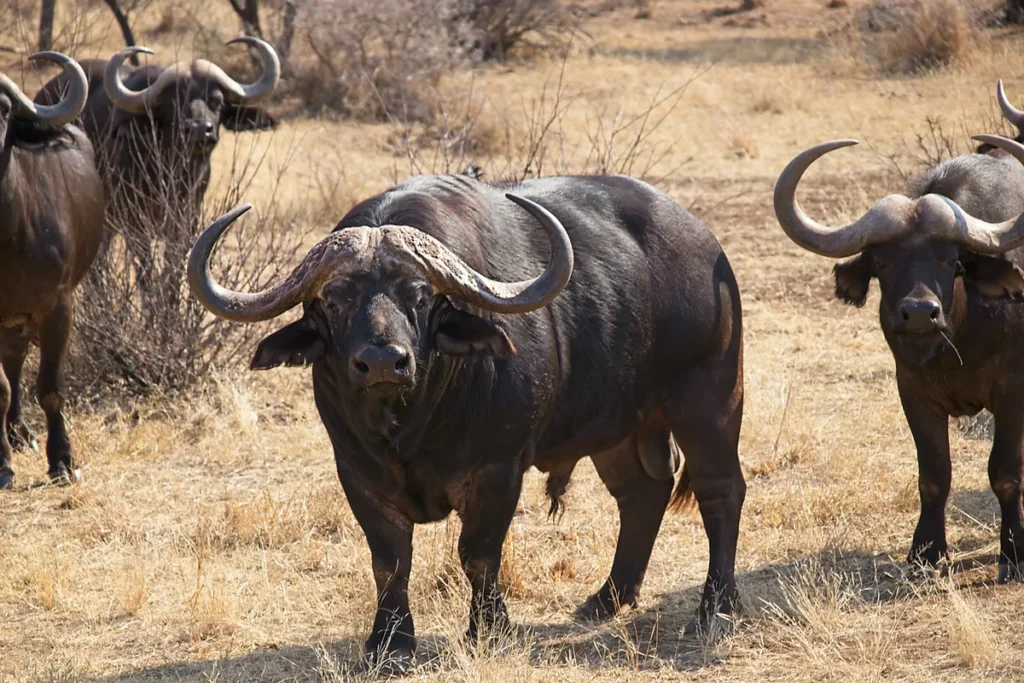
The most sought-after of Africa's Big 5. Zimbabwe offers exceptional buffalo hunting in the Zambezi Valley and Save Conservancy.
Greater Kudu
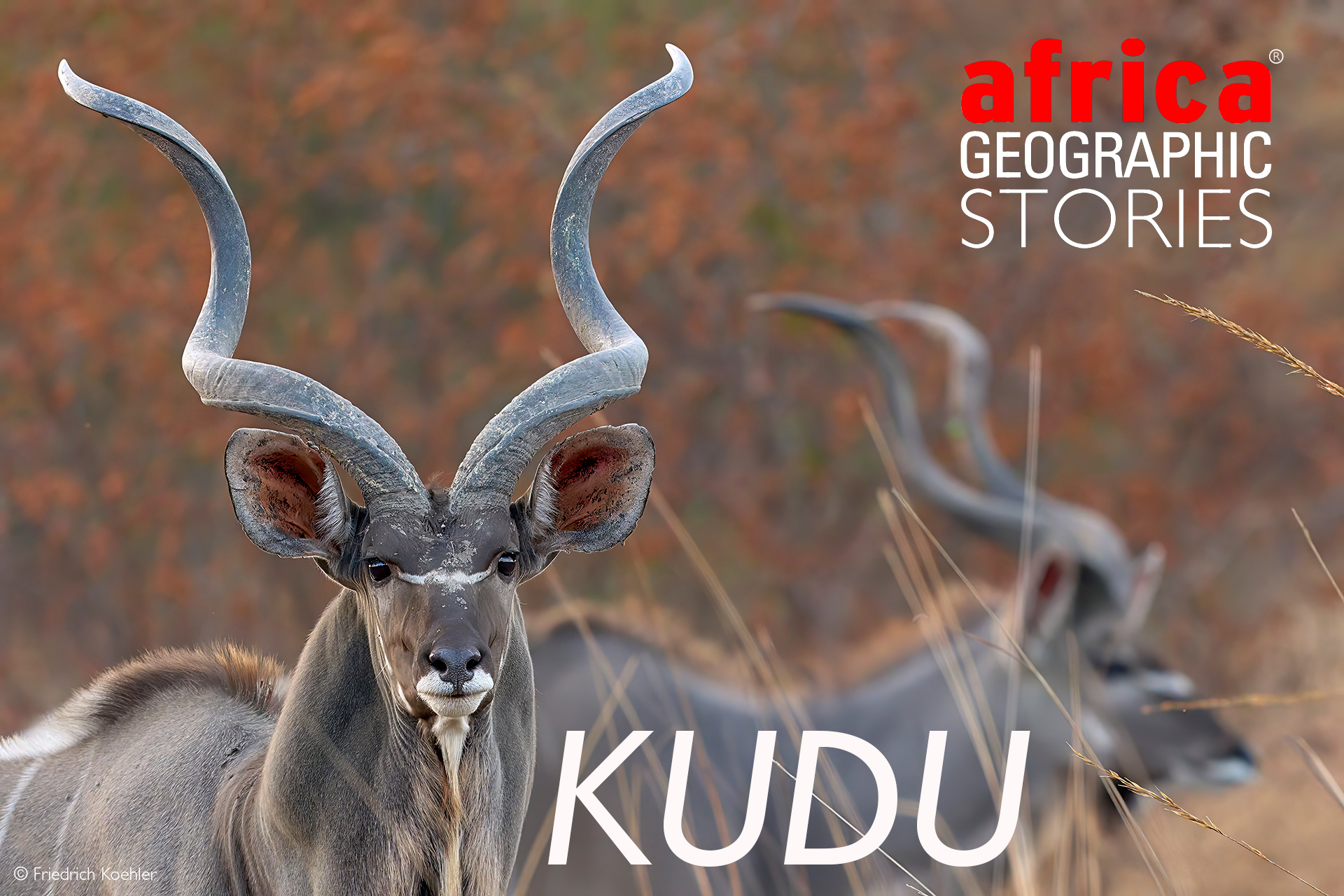
The grey ghost of the African bush. Zimbabwe offers exceptional kudu hunting throughout the country's diverse concession areas.

Sable Antelope
The majestic sable antelope is one of Africa's most prized trophies. Zimbabwe's Matetsi and Chete areas produce outstanding bulls.