
Hwange Ecosystem
Zimbabwe's largest and most famous wildlife ecosystem. The greater Hwange area offers exceptional elephant, sable, and plains game.
May – October (peak: August – October when animals concentrate at water)
Fly into Victoria Falls or Hwange Town
Range from traditional bush camps to luxury safari lodges
7 huntable species
Overview
The Hwange ecosystem encompasses Hwange National Park, Zimbabwe's largest protected area at 14,600 km², and the surrounding hunting concessions and communal lands that together form one of the most important wildlife regions in Southern Africa. While hunting within the national park itself is prohibited, the concessions bordering Hwange offer outstanding hunting opportunities because wildlife moves freely between the park and surrounding areas, creating a vast, unfenced ecosystem of approximately 25,000 km².
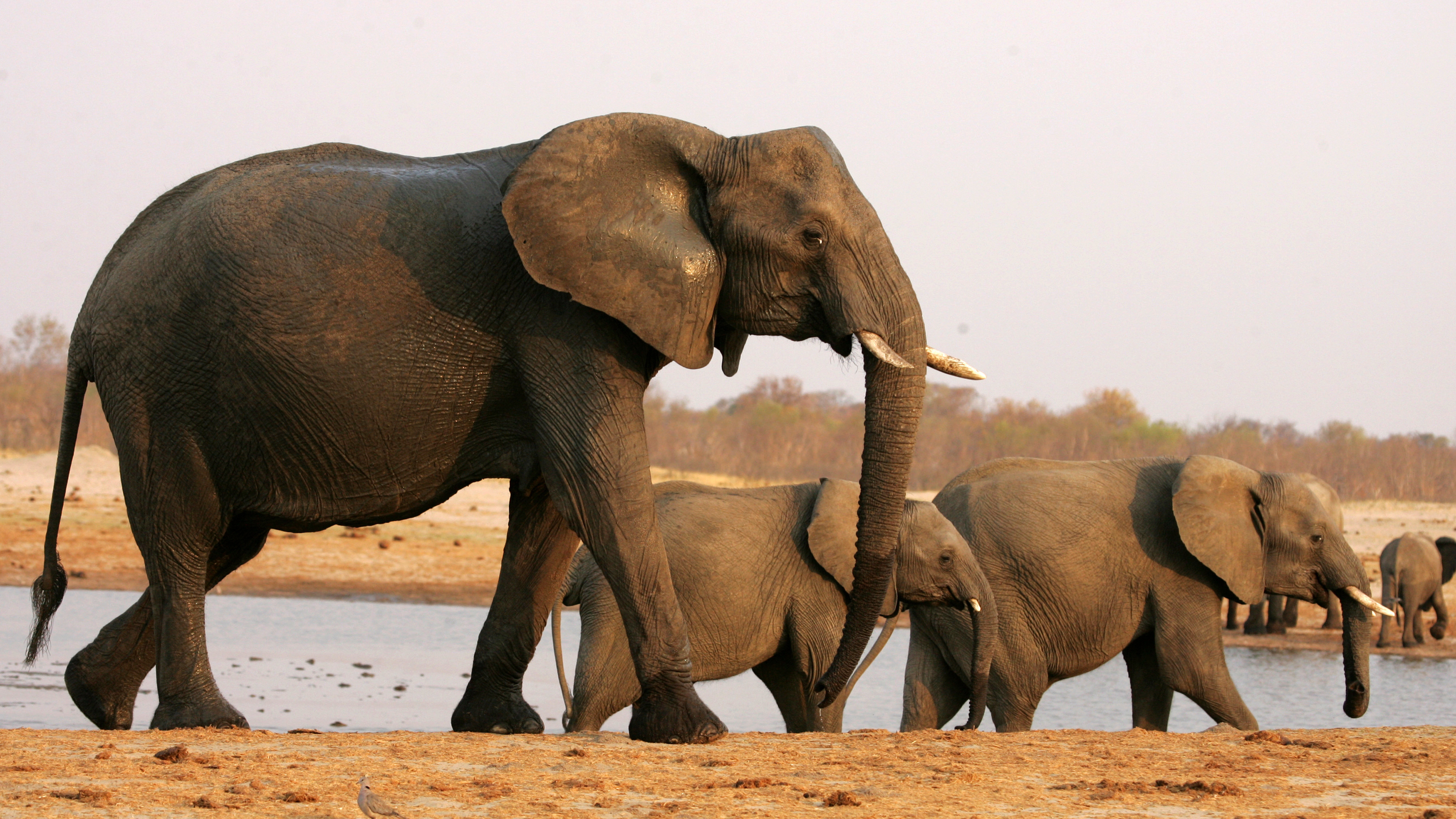
Hwange is famous above all for its extraordinary elephant population. The ecosystem holds an estimated 44,000 or more elephants, one of the largest concentrations in Africa and well above the estimated carrying capacity of the land. These massive herds create spectacular wildlife viewing but also significant management challenges, including habitat degradation from overgrazing and browsing, and increasing conflict with farming communities on the ecosystem's fringes. Controlled hunting in the surrounding concessions plays a role in population management and generates revenue that funds community conservation programmes.
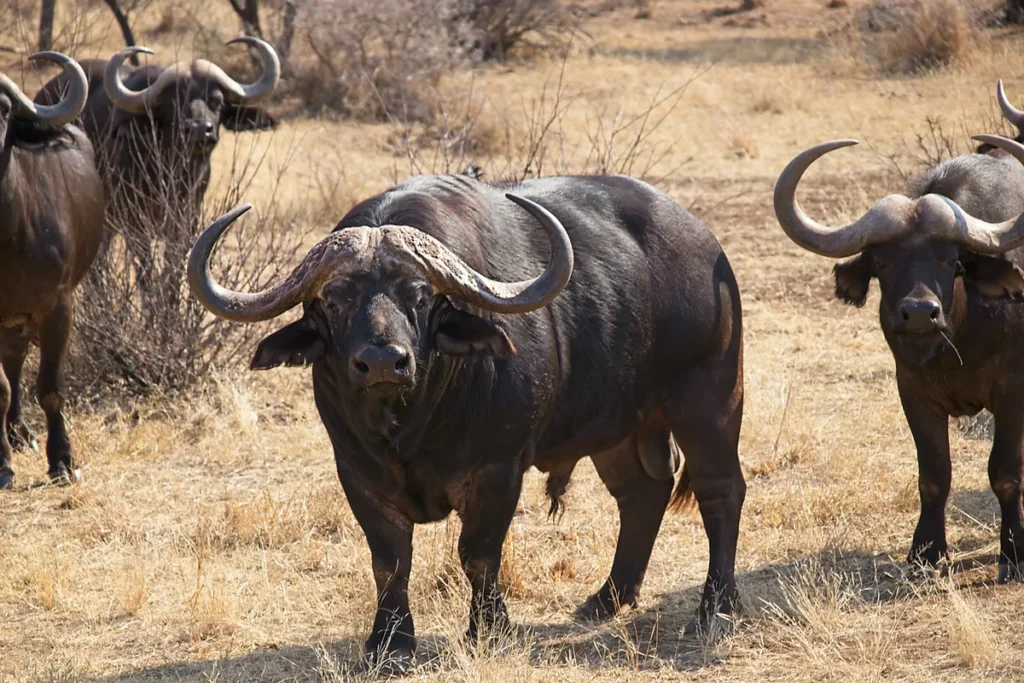
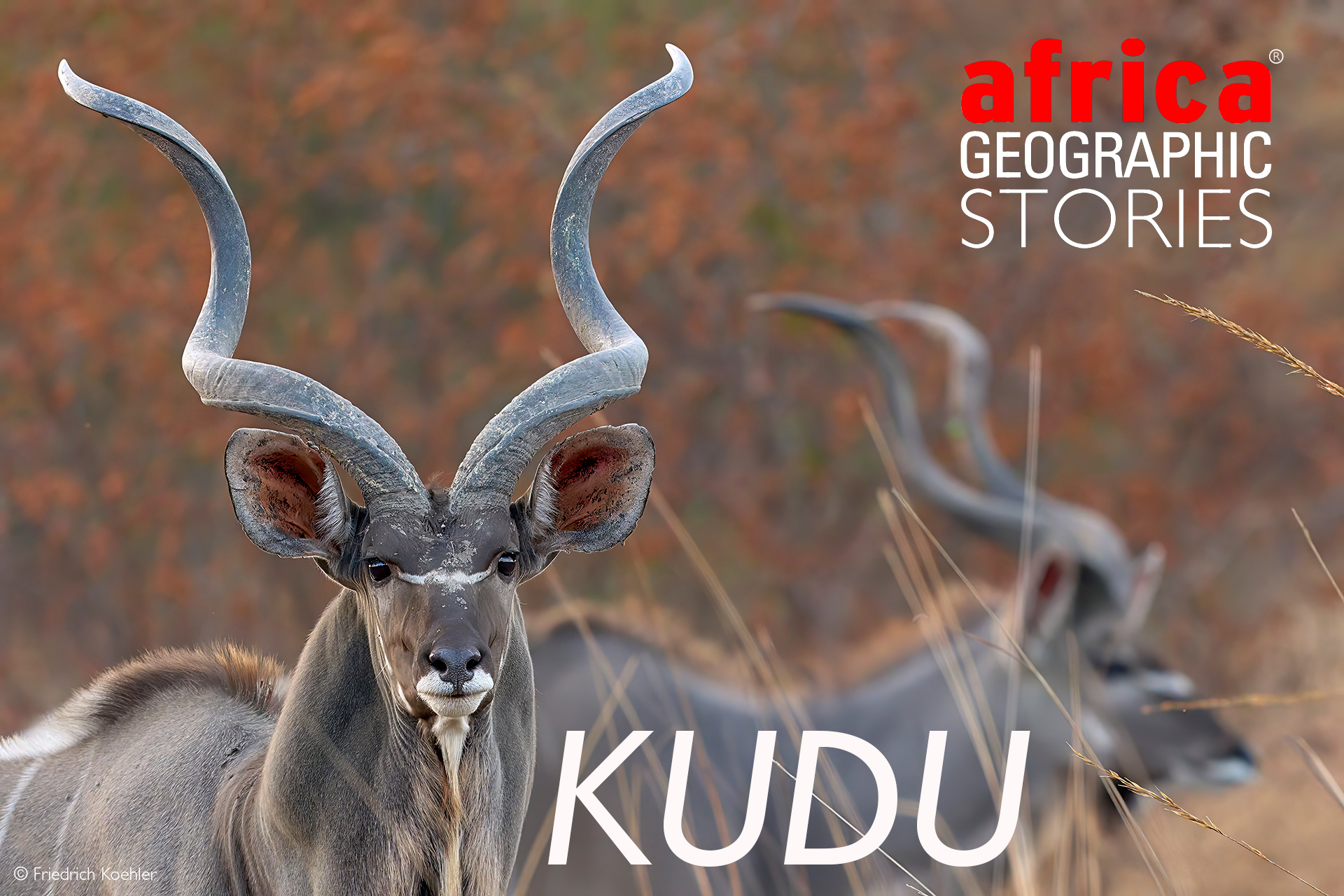
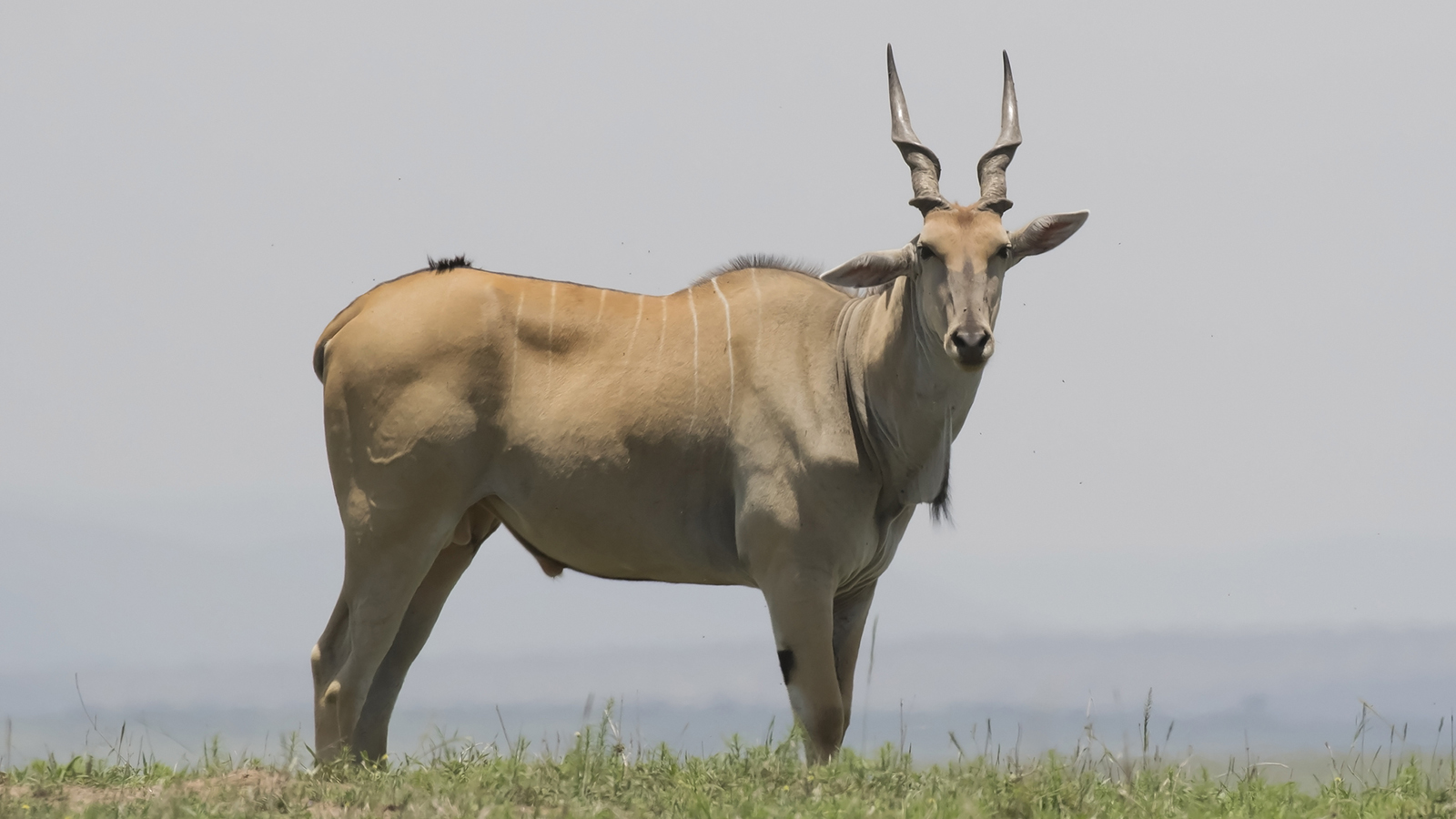
The hunting concessions surrounding Hwange produce excellent trophies across a range of species. Sable antelope from the Hwange area are highly regarded, benefiting from the same Kalahari sandveld genetics that make nearby Matetsi famous. Greater kudu, eland, and buffalo are available in most concessions, and the lion and leopard populations benefit from spillover from the park's protected core.
The Hwange landscape is a distinctive mix of Kalahari sandveld, Zambezi teak and mopane woodland, and open vleis (grassland pans) with the famous pumped water holes that are the ecosystem's signature feature. These artificial water points, originally established by the legendary park warden Ted Davison in the 1930s, concentrate wildlife during the dry season and create outstanding hunting opportunities in the surrounding concessions. A hunt in the greater Hwange area during peak season (August through October) offers daily encounters with large herds of elephant, buffalo, and plains game at these water points.
Geography & Terrain
Western Zimbabwe, bordering Botswana. The Hwange ecosystem covers approximately 25,000 km² including the national park and surrounding concessions. The terrain is Kalahari sandveld with teak and mopane woodland, broken by seasonal pans and pumped water holes.
Huntable Species



Getting There
Fly into Victoria Falls or Hwange Town. Road transfer 2–4 hours depending on concession. Charter flights available.
Accommodation
Range from traditional bush camps to luxury safari lodges. Several concessions offer photographic tourism alongside hunting.
Conservation Impact
The hunting concessions surrounding Hwange National Park play a vital role in elephant management. With elephant populations well above carrying capacity, controlled hunting helps manage numbers while funding community conservation programs and reducing human-elephant conflict in adjacent farming communities.
Outfitters in Hwange Ecosystem
We work with verified professional outfitters operating in the Hwange Ecosystem. Each has been vetted for licensing, trophy quality, and client satisfaction.
Browse OutfittersPlan Your Hwange Ecosystem Safari
Get personalised quotes from outfitters operating in the Hwange Ecosystem. Free, no obligation.
Hwange Ecosystem Hunting FAQ
Other Hunting Areas

Zambezi Valley
Zimbabwe's premier hunting destination. The Zambezi Valley offers Big 5 hunting in vast wilderness areas along the Zambezi River escarpment.

Save Valley Conservancy
Southern Africa's largest private conservancy. 3,400 km² of prime hunting land with exceptional buffalo, leopard, and plains game.
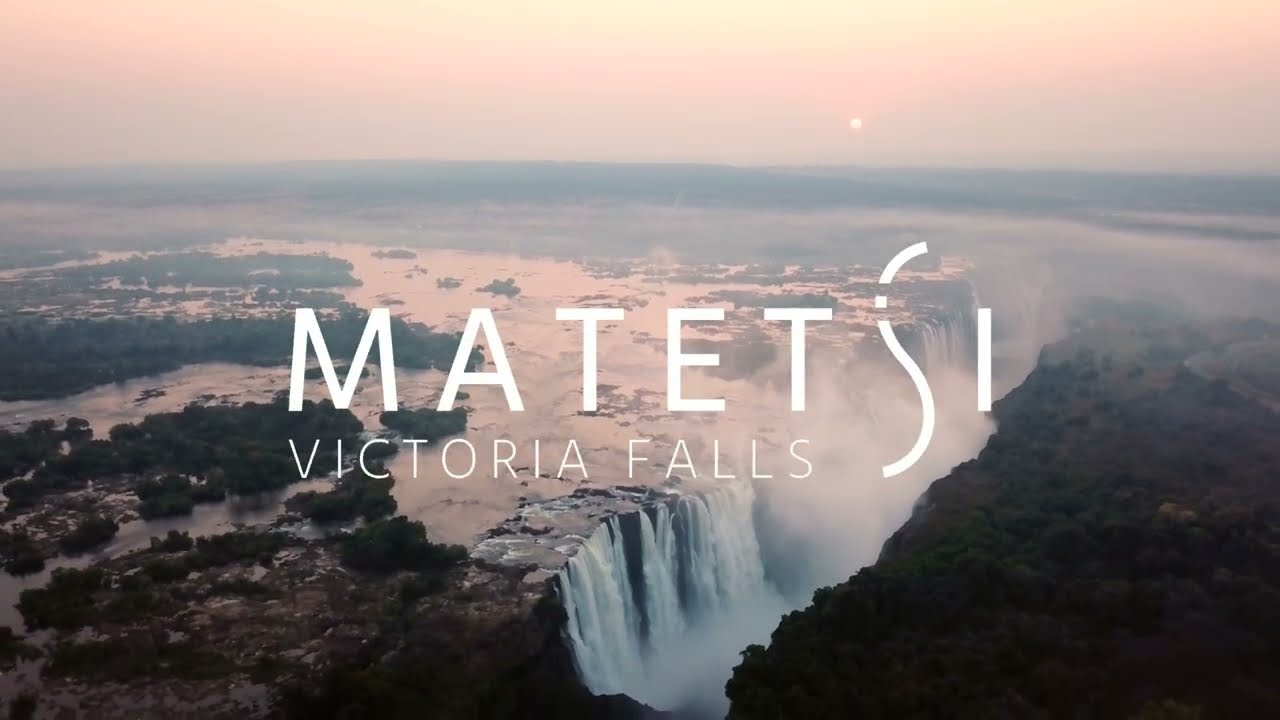
Matetsi Safari Area
Adjacent to Victoria Falls, Matetsi offers world-class sable antelope, buffalo, and leopard in stunning Kalahari sand woodland.

Bubye Valley Conservancy
Home to Africa's third-largest lion population. Bubye Valley offers exceptional big game hunting in the southern lowveld.